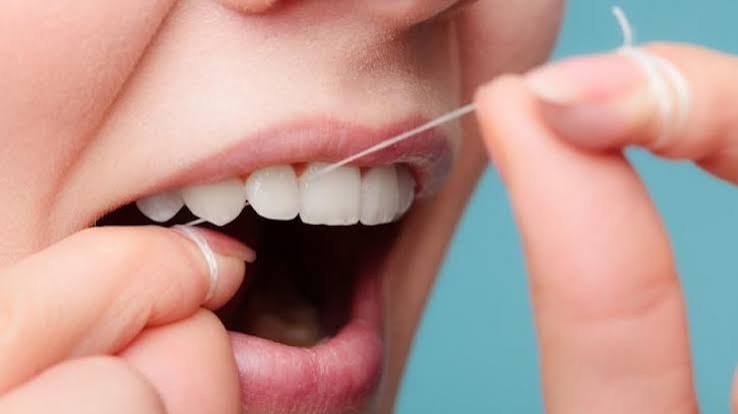
5 Ways To Make Flossing A Household Habit
You already know flossing matters. The hard part is getting it to happen when mornings are rushed, evenings fall apart, and someone always remembers dental care right when everyone is ready for bed. In a lot of homes, brushing is automatic and flossing is the step that gets skipped, delayed, or quietly forgotten. That does not mean your family is careless. It means habits are hard to build when they are not simple, visible, and shared, which is why guidance from a family dentist in Anchorage, AK can help make routines easier to follow.
The good news is that flossing does not need to become a daily battle. A few small changes can turn it from an occasional reminder into a routine your household follows without much thought. If you want better gum health, fewer avoidable dental problems, and a calmer bedtime routine, these five strategies can help make flossing stick.
Flossing often fails when it feels optional
Most families do not skip flossing because they do not care. They skip it because it feels like an extra task. Brushing has a clear place in the day. Flossing often does not. That gap matters, because plaque between teeth does not come off with a toothbrush alone. The National Institute of Dental and Craniofacial Research explains the basics of oral hygiene, including the need to clean between teeth every day.
When flossing feels optional, kids read that quickly. Adults do too. One missed night turns into three, then a week, and then floss only comes out before a dental visit. That pattern can lead to irritated gums, bleeding, bad breath, and cavities between teeth. For parents, it also creates one more thing to nag about, and no one wants oral care to become a nightly argument.
This is where a family flossing routine works better than good intentions. Habits are easier to keep when they are tied to something your household already does, when supplies are easy to grab, and when everyone sees flossing as part of normal care rather than a special effort.
Visible routines make flossing easier for both kids and adults
A hidden floss container in the back of a drawer will not help much. People repeat what they see. If floss picks or string floss are right next to the toothbrushes, the cue is built in. If your child needs help, the cue reaches you too. Caregivers often need simple guidance on teaching kids proper technique, and the NIDCR offers useful flossing information for caregivers.
Adults need the same kind of support, even if they do not say it out loud. You might think, I will do it after I finish cleaning up, after the kids are in bed, after I answer one last message. Then the night is over. A routine that depends on extra energy usually falls apart. A routine that happens in the bathroom, at the same time, with the same setup, has a better chance.
That is why the best ways to get kids to floss also work for grown ups. Keep it visible. Keep it easy. Keep it attached to an existing habit.
Small choices shape whether flossing becomes a habit
Not every household needs the same setup. Some people prefer traditional floss. Some do better with floss picks because they are faster and easier to hold. Some families need a mirror chart, a simple reward system, or a one song rule so flossing lasts long enough without turning into a lecture. The CDC shares practical oral health tips for adults that support daily prevention, and that same mindset helps the whole family.
| Approach | Why It Helps | Common Problem | Best Fit |
| Traditional string floss | Thorough cleaning between teeth, low cost | Can feel awkward or time consuming at first | Adults and older kids with good hand control |
| Floss picks | Fast, simple to hold, easy for travel | Some people rush and miss tight spots | Busy households and beginners |
| Bathroom floss station | Creates a strong visual reminder | Gets ignored if supplies run out | Families building a new routine |
| Sticker chart or tracking app | Makes progress visible and motivating | Can lose effect if it feels like pressure | Young children and goal driven teens |
| Group flossing at bedtime | Turns flossing into a shared norm | Hard on nights with different schedules | Families with younger children |
The point is not to create a perfect system. It is to create one your household will actually use. A simple setup done every day beats an ideal plan that never gets off the ground.
Three practical steps can make flossing a lasting household habit
1. Attach flossing to brushing, not to bedtime in general. “Before bed” is too broad. “Right after brushing” is clear. The more specific the cue, the less room there is for delay. Put floss where the toothbrush already lives, and make the order the same every night.
2. Choose the easiest tool your family will use consistently. If string floss leads to resistance, switch to floss picks. If one child struggles with coordination, help them or ask your family dentist for guidance. The best dental care habit is the one people can repeat without dread.
3. Make it visible and shared for 30 days. Keep a simple tracker on the bathroom mirror. Nothing fancy. A check mark works. When everyone can see the streak, flossing starts to feel normal. That matters more than motivation, because motivation changes from day to day and habits carry you through the low energy nights.
Consistency matters more than perfection in family dentist care
If your household has been inconsistent, you are not behind. You are starting where most families start, with good intentions and a routine that needs structure. That is fixable. A visible setup, the right tools, and a repeatable cue can turn flossing into part of everyday life instead of one more thing hanging over your head.
Steady home care supports healthier gums, cleaner teeth, and better visits with your family dentist. If your family needs help building better oral habits, reach out to a trusted dental office for support.


Post Comment