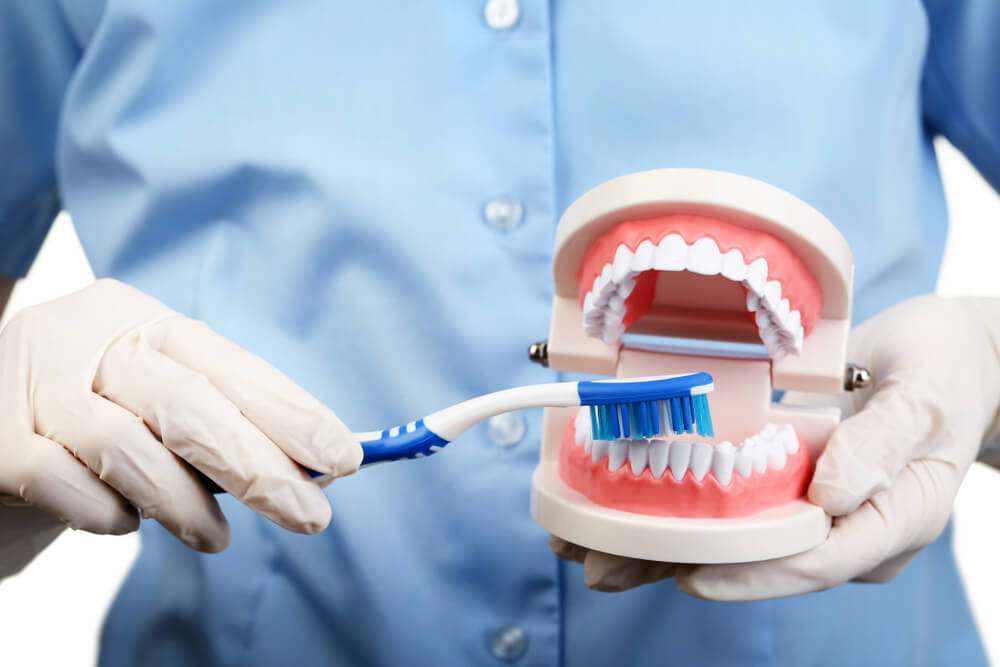
Why Preventive Dentistry Is Essential For Reducing Oral Pain
You usually do not think much about your teeth until one starts to hurt. Then it is hard to focus on anything else. Eating feels wrong, cold drinks sting, sleep gets interrupted, and a small problem can suddenly take over your whole day. That is the part many people know too well. Oral pain often seems to come out of nowhere, but in many cases it builds slowly through plaque, gum irritation, missed cleanings, or early decay that did not cause symptoms at first. In some cases, treatment may also involve natural-looking dental restorations in Wantagh, NY.
Preventive dentistry matters because it helps stop those problems before they turn into pain, infection, and expensive treatment. Regular exams, cleanings, fluoride, home care, and early treatment protect more than teeth. They protect your comfort, your time, and your ability to eat, speak, and live without that constant ache in the background.
Oral Pain Usually Starts Long Before You Feel It
Most dental pain does not begin with a dramatic event. It often starts quietly. A cavity forms in its early stage and you feel nothing. Gums get inflamed and bleed a little when you brush, so you tell yourself you brushed too hard. A cracked filling catches food now and then, but not enough to force an appointment. Then the damage deepens. What was once easy to fix becomes harder, more painful, and more costly.
The CDC explains oral health as a key part of overall health, and that connection shows up fast when pain enters the picture. Dental infections can affect sleep, nutrition, concentration, and daily function. If you have ever tried to get through work with a throbbing tooth, you already know how quickly oral pain drains your energy.
This is where preventive dental care changes the story. A routine exam can catch decay before it reaches the nerve. A professional cleaning can remove hardened plaque that brushing at home cannot. Fluoride can strengthen enamel before weak spots turn into cavities. Gum disease can be treated in an earlier stage, before tenderness becomes loose teeth or deep infection.
Delaying Care Often Turns a Small Problem Into a Bigger One
People put off dental visits for real reasons. Cost is one. Fear is another. Time is a big one too. You may tell yourself you will schedule something when work calms down or when the tooth hurts a little more. That logic makes sense in the moment, but teeth rarely reward waiting.
Tooth decay is a clear example. According to MedlinePlus information on tooth decay, cavities happen when bacteria in the mouth produce acids that wear down tooth enamel. Once decay breaks through that outer layer, it does not heal on its own. If it keeps moving inward, the tooth can become sensitive, then painful, then infected. At that point, the treatment may shift from a small filling to a root canal or extraction.
The same pattern happens with gum disease. Mild gingivitis may only show up as redness or bleeding when you floss. Left alone, it can progress to periodontitis, which damages the tissues and bone that support your teeth. Pain is not always the first sign, which is part of the danger. You can have active disease before you feel the full impact.
Preventive oral care lowers the chance that you will reach that stage. It is less about reacting to pain and more about reducing the odds that pain takes hold at all.
Preventive Dentistry Reduces Pain by Lowering Daily Risk
A good prevention plan is not complicated, but it does need consistency. Brushing twice a day with fluoride toothpaste, cleaning between teeth, limiting sugary snacks and drinks, and seeing a general dentist for routine care all work together. The CDC oral health tips for adults reinforce these habits because they cut down the conditions that lead to cavities, gum disease, and avoidable discomfort.
Think about the difference between a quick cleaning visit and an emergency appointment for swelling and severe pain. One is scheduled and manageable. The other can mean missed work, trouble eating, stronger treatment, and a bill that lands at the worst time. Preventive care does not guarantee you will never have a dental problem, but it makes serious pain far less likely and gives your dentist a chance to act early.
Preventive Care and Delayed Treatment Lead to Very Different Outcomes
| Situation | Preventive Approach | Delayed Approach |
|---|---|---|
| Early cavity | Found during routine exam, often treated with a small filling | Decay spreads deeper, leading to stronger pain and possible root canal |
| Bleeding gums | Cleaning and home care changes can calm inflammation | Gum disease may worsen, causing tenderness, recession, and bone loss |
| Worn or cracked filling | Repaired before bacteria enter the tooth | Breakdown can lead to sensitivity, fracture, or infection |
| Dental costs | Usually lower, more predictable routine care | Often higher emergency and restorative treatment costs |
| Daily life | Less disruption to sleep, meals, and work | Greater risk of urgent pain and missed responsibilities |
Small Steps With a General Dentist Can Prevent Bigger Problems
Schedule routine exams and cleanings. If it has been a while, start there. A general dentist can spot early decay, gum problems, worn restorations, and bite issues before they become painful. Even one overdue visit can uncover problems that are still easy to treat.
Tighten up your home care. Brush twice a day with fluoride toothpaste and clean between your teeth once a day. If your gums bleed, do not assume you should stop flossing. Bleeding is often a sign of inflammation, and better daily care is part of what helps it improve.
Act on small symptoms early. Sensitivity, bad breath that lingers, bleeding gums, food trapping between teeth, or a tooth that feels “off” all deserve attention. You do not need to wait for severe pain to justify an appointment. Early action is usually simpler and easier on both your body and your budget.
Reducing Oral Pain Starts Before the Emergency
If you have been putting off dental care, you are not alone, and you are not stuck. Pain prevention often begins with one ordinary step, a checkup, a cleaning, or a conversation about what has been bothering you. That is how small issues get handled before they grow teeth, so to speak, and start running your life.
Preventive dentistry is essential for reducing oral pain because it catches damage early, lowers your risk day to day, and helps you avoid the cycle of delay, pain, and urgent treatment. If it has been a while since your last visit, schedule an appointment with a general dentist and give yourself a better chance at staying comfortable.



Post Comment