Cypress Fencing: South Carolina’s Trusted Fence Contractor for Installation, Repair, and HOA-Compliant Design
If you’ve driven through a South Carolina neighborhood after a summer thunderstorm, you’ve probably noticed the same thing we do every week: a lot of fences that didn’t survive it. Between the humidity, the sandy soil in the Lowcountry, the red clay further inland, and storm season that seems to stretch longer every year, this state is genuinely hard on fencing. Cypress Fencing was built around that reality. We’re a South Carolina fence contractor that installs, repairs, and maintains residential and commercial fencing with materials and methods chosen for what actually holds up here, not just what looks good in a catalog.
Whether you’re fencing a new build in a subdivision with strict HOA guidelines, replacing a wood fence that finally gave out, or adding privacy to a backyard near Charleston, Columbia, or Greenville, our crews handle the project from the first measurement to the final walkthrough.
Fence Installation Built for South Carolina Conditions
A fence that’s engineered for the Midwest or the Northeast doesn’t necessarily make sense here. Coastal properties deal with salt air and sandy, shifting soil that can loosen posts set too shallow. Inland yards often sit on dense clay that expands and contracts with moisture, which is one of the most common reasons fences start to lean within a few years of installation. Our installation process accounts for this from the start: proper post depth, concrete footings sized to the soil type, and hardware rated to resist corrosion in humid air.
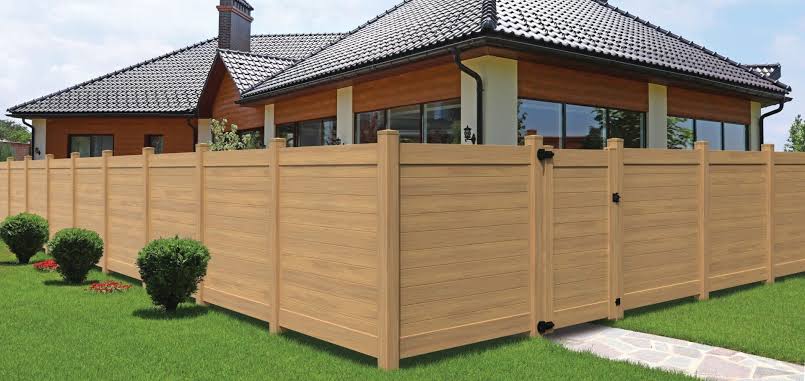
We install a full range of fence styles, including wood privacy fences, vinyl and PVC fencing, aluminum and steel ornamental fencing, chain link for utility and pet containment, and horizontal or board-on-board designs for a more modern look. Before any post goes in the ground, we walk the property line with you, confirm boundaries, and flag anything that might affect placement, like drainage patterns, existing utilities, or grade changes that need to be addressed during installation rather than after.
Fence Repair That Extends the Life of What You Already Have
Not every fence problem calls for a full replacement. A surprising number of the repair calls we get involve fences that are structurally salvageable but were never maintained properly to begin with. Common issues we address include leaning or rotted posts, storm-damaged panels, sagging gates, rust on metal fencing, and wood that’s cupped or split from years of sun and moisture exposure.
Our approach on a repair job is to assess the whole fence line, not just the section you called about. It’s common for one damaged post to be a symptom of a broader drainage or soil issue that will keep causing problems until it’s corrected. We’ll tell you honestly when a section needs replacing versus when it can be reinforced, because a fence that’s patched without addressing the underlying cause tends to fail again within a season or two.
Materials That Match the Job, Not Just the Budget
We work with clients across a wide range of budgets and priorities, so material selection is always a conversation rather than a default recommendation. Pressure-treated pine remains a popular, cost-effective choice for privacy fencing, especially when properly sealed and maintained. Cedar offers better natural resistance to rot and insects and holds up well in South Carolina’s climate, though it comes at a higher price point. Vinyl fencing has become increasingly popular for homeowners who want a low-maintenance option that won’t need repainting or resealing, and it tends to resist the warping that wood can experience in high humidity.
For properties that need a more secure or industrial-grade solution, we also install ornamental aluminum and steel fencing, which combines a finished appearance with strength that holds up over decades with minimal upkeep. Whatever material fits your property and budget, we source from suppliers we’ve vetted for quality, because a fence is only as good as the lumber, vinyl, or metal that goes into it.
Navigating HOA Fence Requirements Without the Headache
A large share of our work happens inside planned communities with active homeowners associations, and HOA rules around fencing can be surprisingly specific. Height restrictions, approved materials, required setbacks from property lines, and even color or style guidelines vary from one community to the next, and getting it wrong can mean a fence that has to be modified or torn out after installation.
Before we submit any plans or start work in an HOA community, we review the association’s covenants with you and, where needed, help prepare the application or design documentation the board requires for approval. We’ve worked with enough South Carolina communities over the years to know what most architectural review boards are looking for, which helps avoid delays and back-and-forth revisions. Our goal is a fence that’s approved the first time, installed correctly, and one you won’t have to think about again for years.
Why South Carolina Homeowners and Businesses Choose Cypress Fencing
Every property we work on is different, which is why we don’t operate off a one-size-fits-all template. Some jobs are a single gate repair; others are a full perimeter installation around a commercial property or a multi-acre residential lot. What stays consistent is our attention to the details that determine whether a fence lasts five years or twenty-five: correct post depth, appropriate hardware, materials suited to the site, and a level of craftsmanship that holds up to inspection, not just a quick glance from the curb.
If you’re planning a new fence, dealing with storm or age-related damage, or trying to figure out what your HOA will actually approve, we’re happy to come take a look and talk through your options. Reach out to Cypress Fencing to schedule a consultation and get a straightforward assessment of what your property needs.




Post Comment