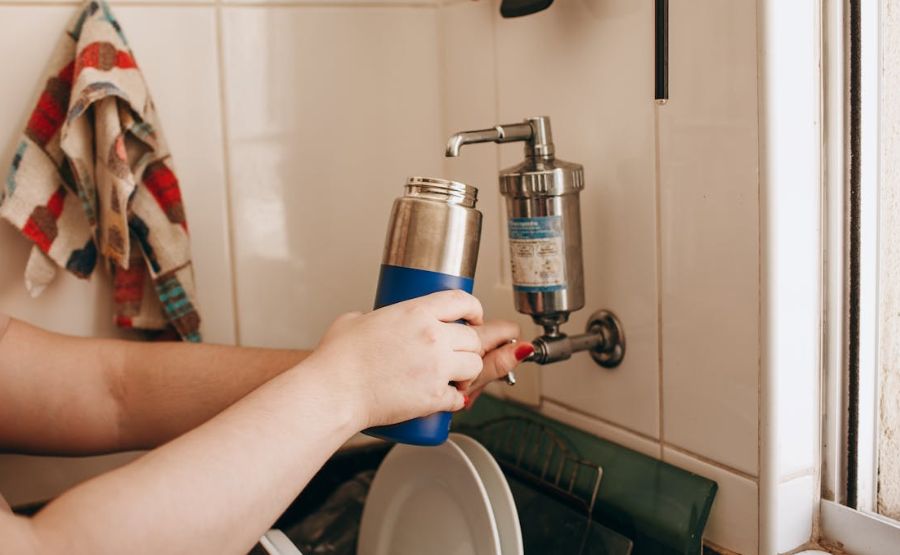
Do You Need a Water Softener, a Water Filter, or Both?
If you’ve ever wondered, “do I need a water softener or filter?”, you’re not alone. Many homeowners face this exact question when dealing with hard water, unpleasant taste, or contaminants in their tap water. The answer isn’t always one or the other in many cases, you may benefit from both.
This guide explains what each system does, how they differ, and when you should choose a water softener, a water filter, or a combination of both.
What Is the Difference Between a Water Softener and a Water Filter?
A water softener and a water filter solve different water quality problems.
- Water softener: Removes hardness minerals like calcium and magnesium that cause scale buildup.
- Water filter: Removes contaminants such as chlorine, sediment, heavy metals, and bacteria.
A water softener improves how water feels, while a water filter improves how water tastes, smells, and affects your health.
Understanding this distinction is essential when deciding whether you need one system or both.
How Does a Water Softener Work to Remove Hardness?
A water softener works through a process called ion exchange.
- Hard water passes through resin beads inside the softener tank.
- Calcium and magnesium ions are swapped with sodium or potassium ions.
- The result is “soft water” that prevents scale buildup.
Softened water helps protect appliances, plumbing, and fixtures from mineral deposits.
Common signs you need a water softener:
- White, chalky residue on faucets or dishes
- Soap is not lathering properly
- Dry skin and dull hair after showering
- Reduced the lifespan of appliances like water heaters
How Does a Water Filter Improve Water Quality and Safety?
A water filter removes unwanted substances from your water supply using physical, chemical, or biological processes.
Types of contaminants a filter can remove:
- Chlorine and chloramine
- Sediment and rust
- Heavy metals like lead
- Pesticides and organic compounds
- Bacteria (in advanced filtration systems)
Different filters use technologies like:
- Activated carbon
- Reverse osmosis
- UV purification
Water filters focus on making water safer and better tasting for drinking and cooking.
Do I Need a Water Softener or Filter Based on My Water Problems?
The right choice depends on your specific water issues.
Choose a water softener if:
- Your water is hard (high mineral content)
- You notice scale buildup on appliances
- Your plumbing efficiency is decreasing
Choose a water filter if:
- Your water smells like chlorine
- You’re concerned about contaminants or health risks
- Your water tastes unpleasant
You may need both if:
- You have hard water and contamination issues
- You want complete water quality improvement across your home
A simple water test can help identify your exact needs.
Why Many Homes Benefit from Using Both Systems Together
Using both a water softener and a water filter provides comprehensive water treatment.
Combined benefits include:
- Scale-free plumbing and appliances
- Clean, safe drinking water
- Improved taste and odor
- Longer lifespan of filtration systems (soft water reduces clogging)
For example, a whole house water filtration system paired with a softener ensures that:
- Every tap delivers cleaner water
- Your appliances operate efficiently
- Your skin and hair feel healthier
This combination is especially valuable in areas with both hard water and chemical treatment, like chlorine.
What Are the Key Benefits of a Water Softener for Daily Use?
A water softener provides noticeable everyday advantages:
- Better cleaning performance: Soap and detergent work more effectively
- Reduced scale buildup: Protects pipes and appliances
- Softer skin and hair: Less dryness after bathing
- Lower energy bills: Appliances run more efficiently
Soft water improves both comfort and long-term cost savings in your home.
What Are the Key Benefits of a Water Filter for Health and Taste?
A water filter focuses on safety and quality.
Main benefits include:
- Cleaner, safer drinking water
- Removal of harmful contaminants
- Better-tasting water and beverages
- Reduced exposure to chlorine and chemicals
Filtered water is particularly important for households with children, elderly individuals, or anyone with health concerns.
What Use Cases Help You Decide Between a Softener, Filter, or Both?
Here are real-world scenarios to guide your decision:
Scenario 1: Hard water but no odor or taste issues
→ A water softener is usually enough
Scenario 2: Water smells like chlorine, but no scaling issues
→ A water filter is the better choice
Scenario 3: Hard water plus bad taste or contamination concerns
→ You need both systems working together
Scenario 4: Well water with sediment and minerals
→ Combination system (filter + softener) is ideal
Each use case highlights that water quality problems are often multi-layered.
How to Choose the Right System for Your Home Water Needs
To make the right decision, follow these steps:
- Test your water: Identify hardness levels and contaminants
- Define your priority: Comfort (softener) vs safety (filter)
- Consider your budget: Combination systems cost more upfront but offer better long-term value
- Evaluate installation type:
- Whole house systems
- Under-sink filters
- Shower filters
Choosing the right configuration ensures you don’t overpay or under-treat your water.
Is a Whole House System Better Than Point-of-Use Solutions?
A whole house system treats water at the entry point, ensuring every tap delivers treated water.
Advantages:
- Consistent water quality throughout the home
- Protection for plumbing and appliances
- Convenience and low maintenance
Point-of-use systems (like under-sink filters) are more affordable but only treat specific outlets.
The best choice depends on your household size, water usage, and quality concerns.
Conclusion: Do I Need a Water Softener or Filter for Long-Term Water Quality?
So, do I need a water softener or filter? The answer depends on your water’s specific problems.
- Choose a water softener for hard water and scale issues
- Choose a water filter for contaminants, taste, and safety
- Choose both for complete water quality improvement
As water quality concerns continue to grow, investing in the right system is not just about comfort; it’s about protecting your health, home, and future. A well-informed decision today can lead to cleaner, safer, and more efficient water use for years to come.



Post Comment