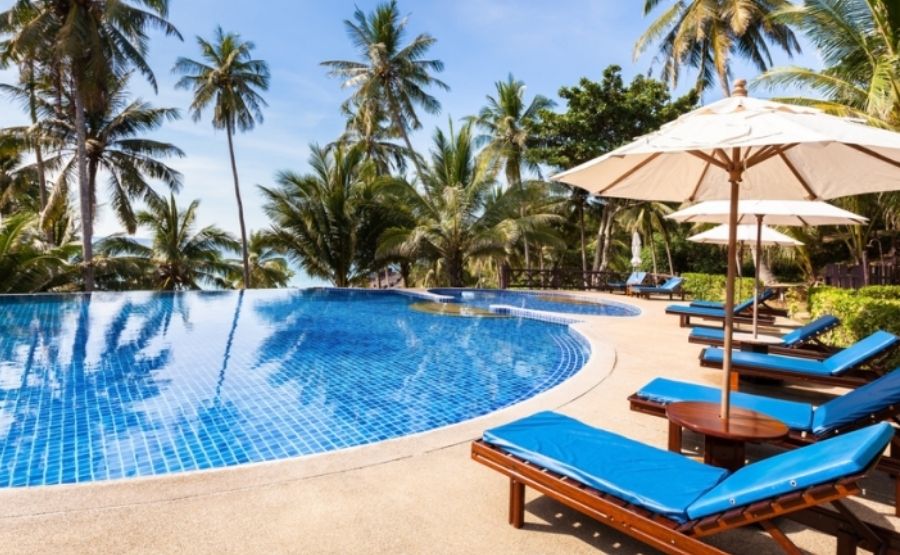
Essential Ideas for Designing a More Beautiful, Comfortable, and Functional Swimming Pool
A swimming pool can be much more than a place to cool off during warm weather. When carefully designed, it can become the centerpiece of an outdoor living environment where families relax, entertain guests, exercise, and spend quality time together. However, an older or poorly planned pool may not provide the comfort, appearance, or functionality that homeowners want. Updating the pool and its surrounding area can create an opportunity to improve both aesthetics and everyday usability. From selecting attractive finishes and comfortable decking to adding lighting, water features, efficient equipment, and practical safety improvements, there are many ways to create a more enjoyable swimming environment. A successful design should balance beauty, comfort, durability, maintenance, and the specific needs of the people who will use the pool.
Start With a Detailed Pool Assessment
Before making design decisions, it is important to understand the current condition of the swimming pool and its surrounding features. The pool surface, coping, tile, decking, plumbing, circulation equipment, lighting, drainage, and structural components should all be evaluated. Some visible problems may be cosmetic, while others could indicate underlying issues that should be addressed before new finishes are installed. During pool remodeling, a thorough assessment can help identify which components can remain and which should be repaired, replaced, or upgraded. This approach can prevent homeowners from investing in attractive improvements while leaving important functional problems unresolved. A complete evaluation also provides a better foundation for establishing priorities and developing a realistic renovation plan.
Define the Purpose of the Pool
Every swimming pool serves a different purpose, so its design should reflect the lifestyle of the people using it. Some homeowners primarily want a relaxing space where they can unwind after a busy day, while others may use the pool for exercise, family recreation, or frequent entertaining. The surrounding areas should be designed according to these activities. Families may benefit from open spaces and practical access, while entertainment-focused designs may include larger seating areas, outdoor kitchens, lighting, and gathering zones. Pool remodeling provides an opportunity to rethink how the entire space is used rather than simply replacing old finishes. Clearly identifying the primary goals of the pool can make it easier to select features that provide meaningful long-term value.
Choose an Attractive Pool Surface
The interior surface is one of the most noticeable elements of a swimming pool. Over time, finishes may become faded, stained, rough, chipped, or outdated, which can make the entire pool appear older than it actually is. Replacing the surface can provide a dramatic visual improvement while also creating a smoother and more comfortable swimming environment. There are many finish options available, each offering different colors, textures, durability characteristics, and maintenance requirements. Homeowners should consider how the chosen surface will interact with the water and surrounding materials. During pool remodeling, the existing condition of the pool should be considered carefully before selecting a new finish. A high-quality surface can provide both an attractive appearance and improved long-term usability.
Update Tile and Coping
Tile and coping are important details that frame the pool and help define its overall style. Cracked, faded, or outdated tile can make an otherwise attractive pool look worn, while damaged coping may affect the appearance and functionality of the pool edge. Replacing these elements creates an opportunity to introduce fresh colors, textures, and patterns that complement the surrounding design. Homeowners can select subtle materials for a clean and timeless appearance or use contrasting accents to create a more distinctive visual effect. Pool remodeling may involve coordinating tile and coping with the pool surface, decking, landscaping, and outdoor furniture. When these elements are selected as part of a unified design, the entire pool area can feel more polished and intentional.
Improve the Pool Deck
The pool deck provides essential space for walking, seating, relaxing, and entertaining, making it an important part of the overall design. An aging deck may have cracks, stains, uneven areas, or surfaces that no longer complement the pool. Replacing, resurfacing, or redesigning the deck can dramatically improve the appearance and functionality of the outdoor area. Materials should be selected based on durability, maintenance requirements, comfort, and suitability for wet conditions. Texture is especially important because the surface should provide appropriate traction around the water. During pool remodeling, homeowners can also consider expanding the deck or reorganizing its layout to provide more room for furniture and outdoor activities. A thoughtfully designed deck can make the pool area more comfortable and visually cohesive.
Add Comfortable Seating Areas
Comfortable seating can transform a basic swimming area into a complete outdoor living space. Lounge chairs, outdoor sofas, tables, umbrellas, and other furnishings can provide places for people to relax without entering the water. The seating arrangement should allow enough room for movement while keeping the pool itself accessible. Shade is another important consideration because prolonged exposure to direct sunlight can make outdoor areas uncomfortable. Pool remodeling can include the addition of shaded seating zones, covered areas, or strategically positioned structures that improve comfort. By creating multiple seating options, homeowners can make the pool more useful for both active swimming and quiet relaxation, allowing people to enjoy the outdoor environment even when they are not in the water.
Incorporate Modern Lighting
Lighting can completely change the atmosphere of a swimming pool after sunset while also improving visibility. Underwater lights can highlight the pool itself, while pathway and deck lighting can illuminate areas where people walk or gather. Accent lighting around landscaping and architectural features can create additional visual interest. Modern lighting systems may also offer energy-efficient operation and flexible controls. During pool remodeling, existing lighting should be evaluated to determine whether fixtures, wiring, controls, or placement need to be updated. Good lighting design should combine functionality with atmosphere rather than relying on a single source of illumination. A carefully lit pool area can feel more inviting and can extend the usefulness of the outdoor space into the evening.
Consider Adding Water Features
Water features can introduce movement, sound, and visual interest to a swimming pool. Depending on the design, homeowners may consider waterfalls, fountains, spillways, bubblers, deck jets, or other decorative elements. A water feature can serve as a focal point while also creating a relaxing atmosphere. The size and style should be appropriate for the pool so the feature complements rather than overwhelms the overall design. Pool remodeling provides an opportunity to determine whether existing plumbing and circulation systems can accommodate new water features or require modifications. Careful planning is important because additional water movement can affect equipment requirements, maintenance, and water management. When properly integrated, a water feature can add character and make the pool feel more luxurious.
Upgrade Pool Equipment
The equipment behind a swimming pool has a major influence on water quality, circulation, heating, and operating costs. Older pumps, filters, heaters, and control systems may be less efficient than modern alternatives and can require more frequent maintenance. Replacing outdated equipment can improve performance while making routine pool care easier. Homeowners should consider the size and design of the pool, expected usage, energy efficiency, and compatibility when selecting new equipment. Pool remodeling is an excellent time to evaluate these systems because other construction work may provide easier access to equipment areas. A visually beautiful pool should also operate efficiently, so mechanical upgrades can be just as important as new surfaces and decorative features.
Improve Pool Safety
Safety should always be an important part of any swimming pool design. Improvements may include better lighting, secure access points, appropriate barriers, safer decking, visible steps, handrails, or other features that improve usability for people of different ages and abilities. Pool surfaces should also be evaluated for conditions that may create slipping concerns. Children and older adults may have different access and safety needs, so the design should consider everyone who is likely to use the space. During pool remodeling, safety improvements can often be integrated into aesthetic upgrades instead of being treated as separate additions. Homeowners should also follow applicable safety requirements and consult qualified professionals for structural, electrical, and access-related modifications.
Create Functional Outdoor Zones
A well-designed pool area can include several functional zones rather than one large open space. A dining area can provide room for meals, while a lounge area can support conversation and relaxation. A dedicated entertainment zone may include an outdoor kitchen, grill, bar, television, or other features depending on the homeowner’s lifestyle. Pool remodeling can help reorganize an outdated layout so that each area serves a clear purpose. The zones should remain connected visually while providing enough separation to prevent the space from feeling crowded. Thoughtful placement of furniture, landscaping, lighting, and paving materials can help define these areas without requiring permanent walls. Functional zoning can make a pool area more versatile and enjoyable throughout the year.
Select Coordinated Colors and Materials
Color plays an important role in establishing the overall character of a pool environment. The interior finish, tile, coping, decking, furniture, landscaping, and architectural features should work together to create a cohesive appearance. Neutral tones can provide a timeless foundation, while contrasting accents can add personality and visual interest. Homeowners should consider how materials will look under direct sunlight, shade, and evening lighting before making final decisions. During pool remodeling, selecting coordinated materials can prevent the finished area from appearing visually disconnected. Physical samples can be particularly helpful because colors and textures may look different in an outdoor environment than they do in photographs or indoor displays.
Enhance the Surrounding Landscape
Landscaping can help integrate a swimming pool into the larger outdoor environment. Plants can soften hard surfaces, provide privacy, create visual boundaries, and add color throughout the seasons. However, landscaping should be selected carefully because excessive leaves, flowers, or debris can increase pool maintenance. Plants should also be positioned so roots and growth do not interfere with structures, plumbing, or drainage. Pool remodeling can include landscape improvements that complement new decking, lighting, water features, and seating areas. Strategic planting can create a more natural and inviting environment while helping the pool feel like an integrated part of the outdoor space rather than an isolated structure.
Think About Maintenance Requirements
A beautiful pool should also be practical to maintain. Homeowners should consider how much time and effort they are willing to spend cleaning surfaces, maintaining equipment, managing water chemistry, and caring for surrounding landscaping. Some materials and finishes may require more frequent attention than others, while efficient equipment can reduce certain operating demands. Pool remodeling provides an opportunity to replace outdated materials and systems with options that may be easier to maintain. Choosing durable finishes, accessible equipment, appropriate drainage, and practical landscaping can reduce unnecessary maintenance. The best design is not simply one that looks impressive immediately after construction but one that remains attractive and functional with reasonable ongoing care.
Plan the Budget Before Construction
Budget planning helps homeowners distinguish between essential repairs and optional enhancements. Structural issues, damaged plumbing, inefficient equipment, and drainage problems should generally receive attention before purely decorative features. Once essential work has been identified, homeowners can prioritize improvements according to their available budget. Pool remodeling can range from relatively simple surface and tile upgrades to extensive changes involving decking, equipment, lighting, water features, and surrounding outdoor spaces. Creating a detailed budget before construction begins can reduce surprises and make it easier to compare different materials and design options. It can also help homeowners decide which features should be completed immediately and which could be added during a future phase.
Work With Experienced Professionals
Swimming pool renovation can involve several specialized areas, including structural construction, plumbing, electrical systems, waterproofing, surface installation, drainage, and hardscape work. Experienced professionals can help coordinate these components and identify potential issues before construction begins. A qualified contractor can evaluate the existing pool, discuss design possibilities, recommend suitable materials, and develop an appropriate project plan. Professional pool remodeling can be particularly valuable when the project involves major structural changes or multiple systems. Before selecting a contractor, homeowners should consider relevant experience, project examples, references, proposed materials, costs, and the scope of work. Clear communication throughout the project can help ensure the final result matches the intended design.
Avoid Common Remodeling Mistakes
One of the most common mistakes homeowners make is focusing entirely on cosmetic improvements while ignoring structural or mechanical concerns. New tile, decking, and lighting cannot correct problems with damaged plumbing, poor drainage, or an unstable structure. Another mistake is adding too many features without considering how they will work together or how much maintenance they will require. Homeowners may also choose materials based solely on appearance without considering durability and suitability for pool environments. Good pool remodeling should balance aesthetics, functionality, safety, maintenance, and long-term performance. A carefully planned project can avoid many of these problems by evaluating the entire pool environment before construction begins.
Focus on Long-Term Value
A swimming pool renovation should be viewed as an investment in the usability and enjoyment of the outdoor environment. Improvements that address safety, efficiency, durability, and comfort can provide benefits long after the initial visual impact has faded. High-quality materials and careful workmanship can also reduce the likelihood of premature repairs. Pool remodeling should therefore focus on improvements that make sense for both current needs and future use. A well-designed pool can support family activities, social gatherings, exercise, relaxation, and outdoor entertainment. When beauty is combined with practical functionality, the result can provide lasting value and make the entire outdoor area more enjoyable.
Final Thoughts
Designing a more beautiful, comfortable, and functional swimming pool requires careful consideration of both appearance and performance. Surface finishes, tile, coping, decking, lighting, seating, water features, equipment, landscaping, safety improvements, and outdoor living zones can all contribute to a successful transformation. The most effective projects begin with a detailed evaluation and a clear understanding of how the space will be used. Instead of focusing on one isolated feature, homeowners should consider how every component works together to create a cohesive outdoor environment. With thoughtful planning, appropriate materials, professional workmanship, and proper pool remodeling, an outdated or underused swimming area can become a stylish, comfortable, safe, and enjoyable retreat for years to come.



Post Comment