Everything Homeowners Need to Know About Vinyl Siding, Installation, Maintenance, Durability, and Long-Term Benefits
Choosing the right exterior material is an important decision for homeowners who want to protect their property while improving its overall appearance. The exterior of a home is constantly exposed to sunlight, rain, wind, moisture, changing temperatures, dirt, and other environmental conditions that can gradually affect its condition. A durable siding system creates an additional protective layer around the structure while also giving the property a refreshed and attractive appearance. Homeowners often look for materials that provide a balance between affordability, durability, appearance, and ease of maintenance when planning an exterior renovation. Vinyl siding has become a widely considered option because it is available in many colors, textures, profiles, and designs that can complement different architectural styles. It can also reduce some of the ongoing maintenance associated with exterior materials that require regular painting, staining, or sealing. However, selecting the right product is only one part of a successful project because preparation, installation, moisture management, and maintenance also influence long-term results. Understanding the benefits and limitations of different siding options allows homeowners to make an informed decision that fits their property’s needs, design preferences, and long-term maintenance expectations.
Understanding the Role of Exterior Siding
Siding serves an important purpose because it helps protect the underlying structure from weather exposure while contributing significantly to the visual character of a home. Although many people primarily think of siding as a decorative exterior finish, it is actually part of a larger wall system that may include sheathing, insulation, weather-resistant barriers, flashing, trim, and drainage components. These layers work together to help manage moisture, reduce unwanted air movement, and protect vulnerable structural materials from the elements. When exterior materials become cracked, loose, warped, or damaged, moisture may find pathways into areas that are not designed to remain wet. Over time, persistent moisture can contribute to deterioration, mold growth, damaged insulation, or structural problems if it is not addressed. A properly installed siding system helps create a durable exterior while allowing the wall assembly to manage moisture appropriately. Homeowners should therefore evaluate both the visible material and the condition of the structure beneath it before beginning a replacement project. Taking a complete approach to exterior improvements can provide better long-term results than focusing solely on appearance.
Why Vinyl Siding Is a Popular Choice
One of the main reasons homeowners consider vinyl siding is its combination of design flexibility and relatively low maintenance requirements. The material is available in a broad range of colors, textures, profiles, and decorative styles, allowing homeowners to create an exterior that matches both personal preferences and architectural features. Unlike some traditional wood products, it generally does not require routine painting or staining to maintain its basic appearance. Modern manufacturing has also improved the visual variety available, with products designed to reproduce the appearance of wood grain and other traditional exterior finishes. This allows homeowners to achieve a classic or contemporary look without necessarily taking on the same maintenance demands associated with certain natural materials. The material can also be used alongside complementary trim, shutters, doors, and other exterior elements to create a cohesive design. Homeowners should still compare product quality, thickness, warranty terms, color stability, installation requirements, and expected service life before making a final decision. Choosing a product based on both appearance and performance can help ensure that the investment continues to provide value over many years.
Choosing the Right Style and Color
Color and style selection can have a major effect on the overall appearance of a property, so homeowners should take time to evaluate these choices carefully. The selected exterior color should work well with the roof, windows, doors, trim, landscaping, and other visible architectural elements. Light colors can create a bright and traditional appearance, while darker shades may provide stronger contrast and a more modern visual effect. Homeowners can also combine different profiles or accent materials to highlight gables, entryways, dormers, and other architectural features. Horizontal profiles are commonly used for traditional designs, while vertical styles can create a different visual effect and may emphasize the height of certain portions of a building. Decorative options can also add character without requiring an entirely different exterior material. Before choosing a final color, it is useful to examine physical samples because colors can appear different depending on natural light and surrounding surfaces. Homeowners should also consider whether their preferred style will remain appealing over time rather than choosing an option solely because it is currently fashionable. A balanced design can improve curb appeal while maintaining a timeless appearance that remains attractive for years.
Benefits of Low-Maintenance Exterior Materials
Maintenance requirements are an important consideration because exterior surfaces are exposed to weather throughout the year and can accumulate dirt, dust, pollen, and other debris. Some siding materials require periodic painting, staining, sealing, or other treatments to maintain their appearance and protective qualities. Vinyl siding generally requires less routine maintenance, which can be appealing to homeowners who want to spend less time on exterior upkeep. Regular cleaning can help remove surface dirt and maintain a fresh appearance, while periodic inspections can identify cracks, loose panels, or other damage that should be addressed. Low maintenance does not mean that the exterior can be completely ignored, however, because all siding systems benefit from appropriate care and monitoring. Gutters and downspouts should remain clear so that water does not repeatedly overflow against exterior surfaces. Nearby branches and vegetation should also be managed when they remain in constant contact with the siding because they can contribute to scratches, staining, and trapped moisture. A simple maintenance routine can preserve the appearance of the exterior while helping homeowners identify small issues before they become larger problems.
Protecting Walls From Moisture
Moisture management is one of the most important aspects of any exterior renovation because water can cause serious damage when it reaches vulnerable areas behind the siding. Rainwater should be directed away from the wall assembly through appropriate flashing, drainage paths, weather-resistant barriers, and carefully installed exterior details. Siding should not be treated as the only defense against water because a properly designed wall system depends on several layers working together. Areas around windows, doors, corners, roof intersections, vents, and utility penetrations require special attention because these locations can create opportunities for water intrusion. During a siding replacement project, the existing wall should be examined for signs of rot, damaged sheathing, mold, or previous moisture problems. Any underlying damage should be repaired before new materials are installed so that existing problems are not simply covered up. Proper clearances and installation techniques can also help prevent moisture from becoming trapped behind the exterior finish. A carefully designed and installed siding system can therefore contribute to better moisture management while protecting the structure from everyday weather exposure.
The Importance of Professional Installation
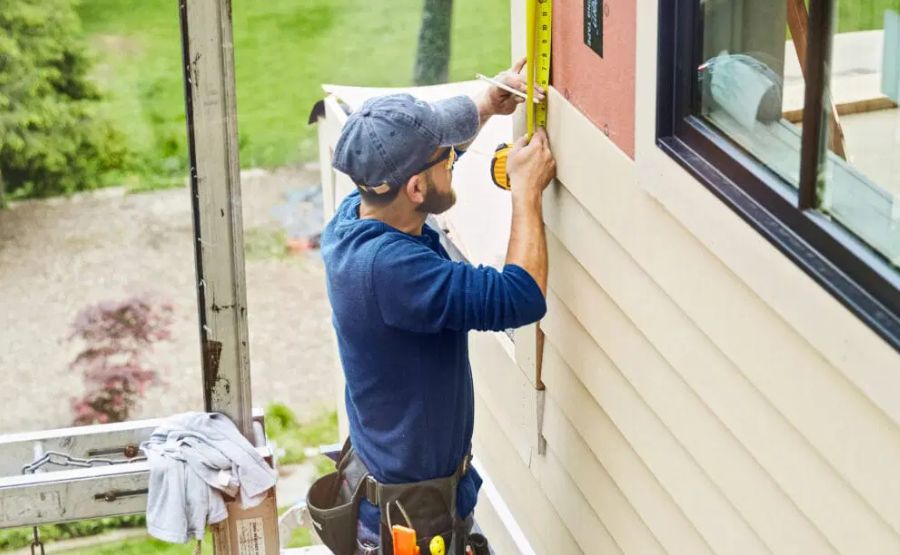
Even excellent siding materials may perform poorly when they are installed incorrectly or without adequate preparation. Installation requires accurate measurements, appropriate fastening, correct spacing, careful alignment, and attention to areas around windows, doors, corners, rooflines, and other transitions. Vinyl materials can expand and contract as temperatures change, so panels must be installed in a way that allows appropriate movement without creating visible distortion or loosening. Fasteners should be positioned correctly and should not restrict the natural movement of the panels. Poor installation can result in buckling, waviness, loose sections, visible gaps, or premature deterioration that affects both appearance and performance. Experienced installers also understand how siding should work with flashing, weather barriers, trim, insulation, and other components of the exterior wall system. Before installation begins, the underlying surface should be evaluated to determine whether repairs or preparation work are necessary. Professional workmanship can create cleaner lines, better transitions, and a more consistent finished appearance. Investing in proper installation is therefore essential for getting the maximum benefit from a siding upgrade.
Improving Exterior Energy Performance
Although siding is only one part of a home’s energy envelope, the complete wall assembly can influence how efficiently the property manages heat and air movement. Insulation, air sealing, weather-resistant barriers, windows, doors, and exterior materials all contribute to overall building performance. Some siding systems are available with insulation that can add another layer of thermal resistance to exterior walls. While insulated siding should not be considered a replacement for properly designed wall insulation, it can complement other energy-efficiency improvements. During an exterior renovation, homeowners have an opportunity to evaluate the condition of existing insulation and weather barriers before new materials cover the walls. Damaged or wet insulation may not perform as effectively, making repairs or replacement worth considering as part of a larger project. Proper sealing around windows, doors, and utility penetrations can also reduce unwanted air movement. Homeowners should evaluate energy performance alongside durability, appearance, maintenance, and installation requirements when comparing exterior materials. A comprehensive approach can help create a more comfortable and efficient home while improving the long-term performance of the exterior.
Preparing for a Siding Replacement Project
Proper preparation can make a major difference in the success of a siding replacement project. Homeowners should begin by identifying their primary goals, whether those goals involve improving curb appeal, reducing maintenance, repairing damaged materials, improving exterior protection, or upgrading overall performance. The existing siding should be evaluated carefully to determine whether there are hidden problems beneath the visible surface. Measurements should be accurate so that material requirements can be estimated and unnecessary waste can be minimized. Homeowners should compare product specifications, warranty coverage, available colors, profiles, maintenance requirements, and installation recommendations before selecting a final material. A detailed project estimate should explain removal of existing siding, preparation work, repairs, new installation, trim, flashing, disposal, and cleanup. It is also important to discuss how unexpected conditions will be handled if damaged sheathing or moisture problems are discovered after the old siding is removed. Clear communication between the homeowner and installer can help prevent misunderstandings about project costs and responsibilities. Careful preparation creates a stronger foundation for an attractive, durable, and professionally completed exterior renovation.
Common Mistakes to Avoid
Homeowners can avoid many siding problems by understanding the most common mistakes made during exterior renovation projects. One mistake is choosing a product entirely based on appearance without considering durability, maintenance requirements, warranty coverage, and installation needs. Another is failing to inspect the wall beneath existing siding before installing replacement materials. Hidden moisture damage, deteriorated sheathing, or structural problems should be addressed rather than covered with a new exterior finish. Choosing an installer based solely on the lowest price can also create risks if important preparation or installation steps are excluded from the project. Homeowners should review estimates carefully and confirm that removal, disposal, flashing, trim, preparation, repairs, and cleanup are clearly addressed. Ignoring manufacturer installation instructions can create performance problems and may potentially affect warranty protection. Poor drainage is another common concern because overflowing gutters can repeatedly expose siding to unnecessary moisture. Avoiding these mistakes requires careful planning, appropriate material selection, qualified installation, and consistent maintenance.
Maintaining Your Siding for Long-Term Performance
Regular maintenance can help preserve the appearance and performance of exterior siding while making it easier to identify small problems before they become significant. Cleaning should be performed when necessary to remove dirt, dust, pollen, and other surface buildup that can make the exterior appear dull. Homeowners should use cleaning methods appropriate for the specific material and avoid techniques that could damage the finish or force water behind panels. Periodic visual inspections can identify cracked sections, loose panels, unusual discoloration, impact damage, or areas that appear uneven. Damaged components should be repaired or replaced promptly so that a minor issue does not create a larger moisture or appearance problem. Trim around windows, doors, corners, and other transitions should also be checked because these areas help protect vulnerable portions of the wall system. Gutters and downspouts should remain clean and functional so that water is directed away from the exterior rather than allowed to overflow against the siding. Vegetation should be trimmed when branches or dense growth remain in contact with the exterior for extended periods. Consistent care can help homeowners preserve their investment while maintaining an attractive and dependable exterior.
Enhancing Curb Appeal With a New Exterior
The appearance of a home can change dramatically when outdated or damaged exterior materials are replaced with a fresh and coordinated design. Faded colors, cracked panels, warped materials, or inconsistent repairs can make an otherwise attractive property appear older than it actually is. A new siding installation provides an opportunity to create a more uniform appearance while coordinating the exterior with windows, doors, roofing, trim, and landscaping. Homeowners can select complementary colors to create a subtle appearance or use contrasting accents to highlight architectural features. Different profiles can also be combined strategically to add texture and visual interest without making the exterior appear overly complicated. The goal should be to create a balanced appearance that works with the property’s architecture rather than simply following the newest design trend. A well-designed exterior can improve curb appeal and create a stronger first impression for visitors and potential future buyers. Because siding is a long-term investment, homeowners should consider how their design choices will look several years from now. Thoughtful planning can create an exterior that remains attractive while providing practical protection.
Balancing Quality and Project Costs
Budget is naturally an important part of any exterior renovation, but homeowners should look beyond the initial purchase and installation price when comparing siding options. Different products may vary in durability, thickness, warranty coverage, maintenance requirements, appearance, and expected service life. A lower-cost product may initially seem attractive but could provide fewer features or require more frequent attention over time. A higher-quality material may involve a greater upfront investment while providing better long-term value through durability and reduced maintenance. Installation quality should also be considered because improper workmanship can reduce the performance of even high-quality materials. Homeowners should request detailed estimates that explain what is included in the project and compare proposals based on overall scope rather than price alone. It is also wise to establish a reasonable allowance for unexpected repairs that may become visible once existing siding is removed. Prioritizing important performance features can help homeowners make practical decisions without sacrificing essential protection or appearance. The best investment is generally one that balances material quality, installation, maintenance, aesthetics, and long-term value.
Selecting a Qualified Siding Professional
Choosing the right installer is an important part of achieving a successful exterior renovation. Homeowners should look for professionals who have experience with the selected siding system and can clearly explain their preparation and installation procedures. A reliable installer should inspect the existing exterior before providing a final recommendation and should identify visible problems that may affect the project. Written estimates should provide clear information about materials, labor, removal, preparation, repairs, trim, flashing, cleanup, and other relevant services. Homeowners can also ask about workmanship warranties, manufacturer requirements, previous projects, and maintenance recommendations. Reviews and references may provide additional insight into communication, reliability, project quality, and customer satisfaction. Property owners should be cautious about professionals who pressure them into immediate decisions without adequately explaining the condition of the existing exterior. Good communication is especially important when unexpected damage is discovered during preparation. Selecting a qualified professional can reduce the risk of installation defects and help ensure that the new exterior performs as intended.
Long-Term Benefits of a Well-Planned Siding Upgrade
A carefully planned siding project can provide benefits that extend well beyond a simple improvement in appearance. Durable exterior materials can help protect the structure from everyday weather exposure while reducing the need for frequent maintenance. A coordinated exterior can also improve curb appeal by creating a consistent relationship between siding, trim, windows, doors, roofing, and landscaping. When combined with appropriate flashing, weather-resistant barriers, insulation, and professional installation, siding can become part of a complete exterior protection system. Homeowners should consider long-term maintenance requirements when selecting materials because the true cost of ownership includes cleaning, repairs, and future upkeep. Keeping gutters clear, monitoring for damage, and addressing small problems promptly can help preserve the exterior for a longer period. Professional installation can further reduce the likelihood of premature problems caused by improper fastening, poor alignment, or inadequate detailing. A well-maintained exterior can also contribute positively to the overall appearance and perceived condition of the property. The strongest results come from combining quality materials with thoughtful design, proper installation, and consistent care.
Final Thoughts on Choosing the Right Siding
Selecting the right siding requires homeowners to consider more than color and appearance because exterior materials play an important role in protecting the structure from weather and moisture. Vinyl siding can provide a practical combination of design flexibility, relatively low maintenance, and attractive appearance for homeowners seeking a versatile exterior solution. However, the success of any siding project depends on proper preparation, quality installation, moisture management, and ongoing maintenance. Homeowners should inspect the existing structure, compare product specifications, evaluate warranties, and select an experienced professional before beginning installation. They should also consider how the chosen material will work with the home’s architecture and other exterior features. Regular cleaning and inspection can help preserve the appearance while making it easier to identify damage before it becomes more serious. Investing in quality workmanship can be just as important as selecting a high-quality product because improper installation may reduce durability and create avoidable problems. With careful planning and appropriate maintenance, a siding upgrade can improve curb appeal, reduce maintenance demands, and provide dependable exterior protection for many years. A thoughtful investment today can help homeowners enjoy a more attractive, durable, and manageable exterior over the long term.



Post Comment