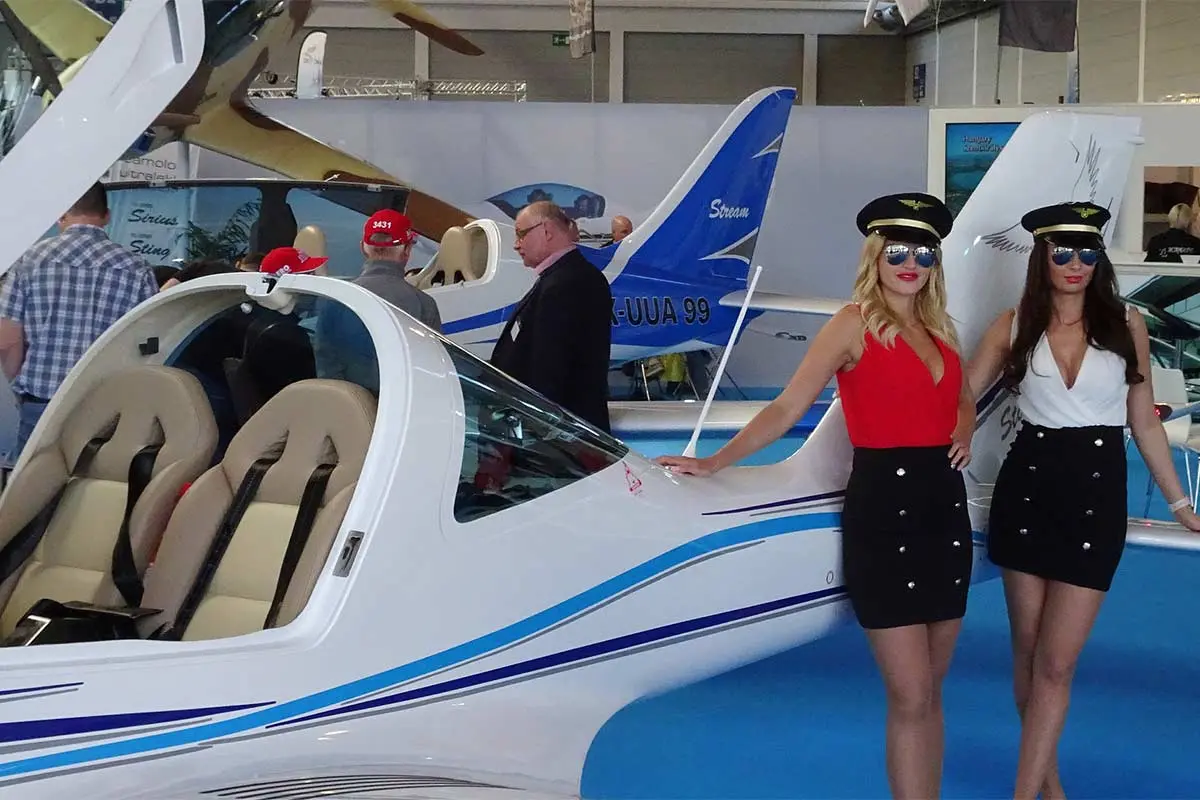
From ‘Booth Babes’ to Brand Activations: How the Language of Trade Shows Reveals an Industry in Transformation
Language is a mirror. The words an industry uses to describe itself reveal not just current practice but underlying values, assumptions, and ambitions. Few industries demonstrate this principle more vividly than the trade show sector, where the vocabulary has undergone a transformation so thorough that a glossary from 2010 reads like a document from a different profession.
Terms like “booth babes,” “swag bags,” and “foot traffic” once dominated the exhibition lexicon. Today, the operative phrases are “brand activation,” “experiential marketing,” “immersive experiences,” and “trade show entertainment.” The shift is not cosmetic. It reflects a fundamental rethinking of what a trade show booth is for, who it serves, and how success is measured.
The Death of Passive Vocabulary
The old trade show language was defined by passivity. “Foot traffic” described bodies moving past a booth. “Booth presence” described the simple act of being there. “Giveaways” described objects distributed to anyone willing to carry them. “Booth babes”—a term that has thankfully all but disappeared from professional discourse—described people hired primarily to attract visual attention.
Each of these terms positioned the exhibitor as a static entity hoping to intercept passing attention. The booth was a destination only in the loosest sense. The strategy was proximity: be near the aisle, be near a competitor, be near the food. The verbs were passive—attract, display, distribute.
The new vocabulary is built on active verbs. Activate. Engage. Immerse. Capture. The shift from “foot traffic” to “booth traffic” is subtle but telling—traffic is no longer something that walks past but something that enters. The shift from “giveaways” to “experiences” is more dramatic, replacing a transactional exchange with an emotional one.
When ‘Entertainment’ Became Strategy
Perhaps no term has undergone a more significant reputational transformation than “trade show entertainment.” A decade ago, entertainment at a trade show was a magician, a caricature artist, or a DJ—diversions meant to create a festive atmosphere. The word carried connotations of frivolity, of something adjacent to the real business happening in meeting rooms.
Today, trade show entertainment describes a sophisticated category that includes VR games, escape rooms, racing simulators, AI photo booths, and interactive installations—each engineered to achieve specific marketing objectives. When industry data shows that interactive exhibits are 52% more likely to stop attendees and gamified booths generate 40% more leads, “entertainment” has shed its frivolous connotations entirely. It has become a technical term describing engagement infrastructure.
The companies operating in this space reflect the linguistic evolution. Los Virtuality – Interactive Entertainment explicitly pairs the words ‘interactive’ and ‘entertainment’ in its identity, signalling that the entertainment is purposeful rather than decorative. The company deploys VR experiences, leaderboard competitions, and AI-driven installations at corporate events nationwide—a far cry from the magician-in-the-corner model that the word “entertainment” once implied.
The Rise of ‘Activation’
“Brand activation” is perhaps the most consequential addition to the trade show vocabulary. The term migrated from consumer marketing, where it described campaigns designed to prompt a specific consumer action. Its adoption by the B2B exhibition world signals a shift from awareness to action as the primary goal of trade show participation.
An exhibitor pursuing “brand awareness” is satisfied with impressions—eyes on a logo, brochures taken, a vague sense that visitors know the company exists. An exhibitor pursuing “brand activation” is measuring registrations, lead captures, demo requests, and post-event conversions. The vocabulary change reflects a change in accountability. When 52% of business leaders now consider trade shows their highest-ROI marketing channel, the language of activation aligns with the language of the CFO.
‘Booth Games’ and the Gamification Lexicon
The emergence of “trade show booth games” as a mainstream category term illustrates another dimension of the linguistic shift. “Game” historically carried associations with leisure and distraction. In the trade show context, it now describes a category of engagement tool with defined mechanics, measurable outcomes, and strategic purpose.
The gamification vocabulary has grown rapidly around it. “Leaderboard competitions” describe systems that use competitive ranking to drive repeat engagement and lead capture. “In-game branding” describes the integration of corporate messaging into interactive experiences. These are not marketing buzzwords masquerading as innovation—they are functional descriptions of specific tactics that generate specific, measurable results.
The linguistic precision matters because it signals professional maturity. When an exhibitor requests “trade show booth games with integrated leaderboard competitions and in-game branding,” they are speaking a technical language that would have been unintelligible to the same role a decade ago. The vocabulary has grown because the practice has grown.
What the Language Tells Us About What Comes Next
New terms continue to emerge. “Omnichannel brand moments” describes the integration of physical trade show experiences with digital campaigns. “Engagement telemetry” describes the real-time measurement of attendee interaction. “Experience design” has replaced “booth design” at an increasing number of agencies and internal marketing teams.
The direction is clear. The trade show industry’s vocabulary is moving from the spatial (“booth,” “floor,” “space”) to the experiential (“journey,” “activation,” “immersion”). It is moving from the passive (“display,” “attract,” “distribute”) to the active (“engage,” “capture,” “convert”). And it is moving from the vague (“presence,” “awareness,” “visibility”) to the measurable (“ROI,” “cost-per-lead,” “conversion rate”).
Language follows practice, but it also shapes perception. As the trade show industry’s vocabulary has matured, so has the way corporate leadership perceives the channel. A “trade show booth” sounds like a cost centre. A “brand activation programme with gamified lead generation” sounds like a growth investment. The words are different because the work is different. And the work is different because the industry finally has the language to describe what it has become.

Post Comment