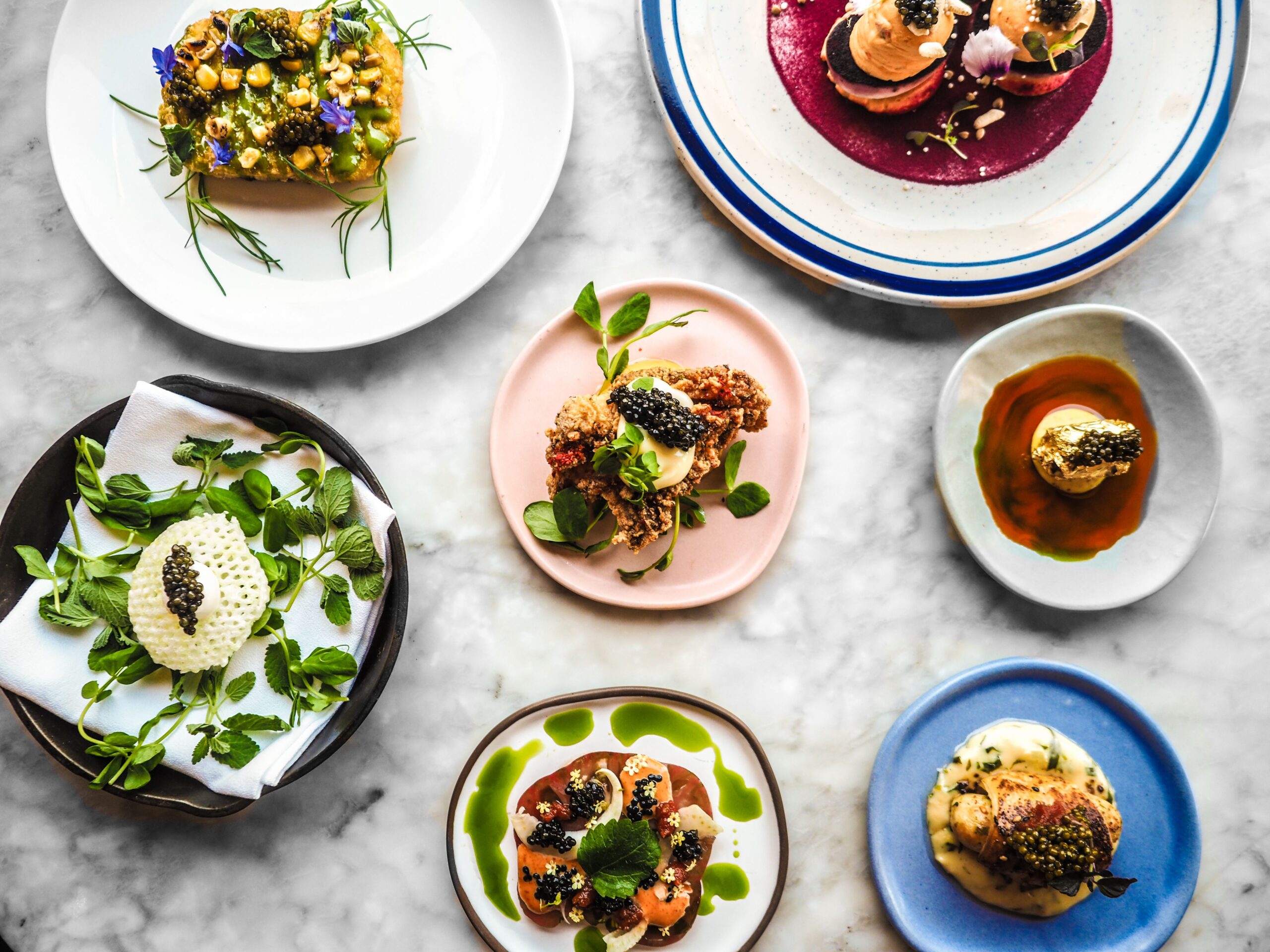
Why Michelin-Starred Restaurants Focus on Seasonal Coastal Ingredients
A fixed menu at Michelin-starred restaurants is kind of a myth these days. People expect the greatest hits, the dish someone put on Instagram three years ago. Then they show up in November, and it’s gone. Replaced by something the chef decided on that morning because the diver called with good news about sea urchin. This drives some diners crazy. Others get it immediately. Seasonal coastal ingredients aren’t a marketing angle. They’re just what happens when a kitchen pays attention to the ocean and the dirt and the weather. You can’t force a strawberry in December, and you can’t ask a fisherman to manifest rockfish when the water’s too warm. So the menu moves. Michelin-starred restaurants that lean into this aren’t being precious. They’re being practical. The food tastes better when it’s actually in season.
Why seasonality sticks
Michelin-star dining gets talked about like it’s wizardry. Foams, gels, tweezers. But the real engine is simpler. A tomato in August is a different creature than a tomato in January. One needs nothing. Salt, maybe some olive oil. The other needs roasting, seasoning, a whole intervention. Chefs who build a seasonal tasting menu around what’s actually ripe are basically letting nature do the heavy lifting. That’s not laziness. That’s sense.
The Michelin Guide doesn’t explicitly require rotating menus. But inspectors notice when produce is at peak. Freshness shows up as flavor. A kitchen that serves asparagus in autumn is making a choice. A kitchen that waits for spring is making a better one. Guests who come back through the year get different experiences. It used to disappoint people. Now it’s part of why they book. Repeat visits hinge on not knowing exactly what you’ll eat.
The coast is a whole different pantry
Coastal cuisine gets an unfair head start. The ocean hands over things you can’t grow in a field. Local seafood changes constantly. Rockfish, lingcod, Dungeness crab, purple urchin. Shellfish that still smell like the bay. Seaweed that’s tender in early summer and tough by late fall. Coastal foraging adds another layer. Wild fennel, sea lettuce, beach herbs growing in salty soil. These wild ingredients aren’t items a broadline distributor calls about. Somebody has to walk out and find them.
Then there’s the weird interplay between ocean and nearby farms. Fog patterns shape how greens grow. Salt air stresses plants in ways that concentrate flavor. A ranch a few miles inland from the Mendocino Coast grows vegetables that taste different from ones grown in a hot valley. The whole ecosystem bleeds together. A fine dining restaurant plugged into that ends up with a menu that tastes like a place, not a concept.
Hotel restaurants that get it right
The best hotel restaurants don’t feel like hotel restaurants. They feel like destinations with rooms attached. Culinary craftsmanship, attentive service, a setting that can’t be separated from the food. The architecture, the light, the view. It either works together or it doesn’t. Many of the most celebrated hotel dining spots hold Michelin recognition not just for cooking but for creating an experience where place and plate are the same story. Travelers book trips around these meals. The restaurant becomes the reason.
Harbor House Inn sits on the Mendocino Coast and makes this idea concrete. The 1916 building hangs over the Pacific. Chef Matthew Kammerer runs a kitchen that pulls from the ocean, the forests, and a 320-acre ranch. Two Michelin Stars, a Green Star. Guests don’t come in spite of the remote location. They come because of it.
Sustainability without the preaching
Hyper-local ingredients don’t travel far. That’s an environmental win before anyone even tries. Fewer trucks, less packaging, shorter supply chains. But sustainable gastronomy at this level goes deeper. Restaurants that build seasonal menus around coastal ingredients tend to work with small-scale fishermen who harvest responsibly. They take what’s abundant and leave what’s stressed. They rotate species so nothing gets hammered. Ocean-to-table dining as a practice, not a hashtag.
The Michelin Green Star recognizes kitchens that embed this thinking into daily operations. Waste reduction, renewable energy, water stuff. But it starts with sourcing. A chef calls a diver at dawn and asks what’s available. The menu adapts to the answer. Culinary sustainability at this point isn’t a program. It’s just how the kitchen thinks. It also produces better food because ingredients are fresher and the cook has to stay sharp. That’s sustainable fine dining in action.
How Harbor House Inn actually operates
There’s no fixed menu. Can’t be. The Pacific doesn’t care about your tasting menu format. Some mornings the diver comes back with plenty of urchin. Other mornings, nada. The ranch has a glut of tomatoes in late summer, and then they’re finished. Wild fennel shows up, lingers, vanishes. Coastal foraging works like that. You take what’s there, not what you planned.
Chef Matthew Kammerer built the kitchen around this uncertainty. The daily menu reflects what the land and water actually provide. Hyper-local ingredients aren’t a buzzword here. It’s logistics. The 320-acre ranch supplies produce, herbs, eggs. The ocean supplies the rest. Ingredient-driven cuisine in this context means the ingredient leads and the chef follows. Guests get quiet luxury that never feels stiff. Personalized hospitality means the team notices small things and adjusts without fanfare. The whole experience feels grounded.
Why people like menus that move
A menu that shifts with the seasons does something weird. It creates anticipation. You can’t order the same dish twice because it likely won’t exist. Instead you trust the kitchen. You ask what’s good right now. That’s a different relationship. It also ties guests to the region. You taste the Mendocino Coast, not just a chef’s technique.
Travelers have gotten sharper about this. They don’t want standardized luxury that could be anywhere. They want California coastal restaurants that reflect local ecosystems. Seasonal coastal ingredients tell that story naturally. The food becomes a low-key geography lesson. No lecture needed.
Place beats trends
Memorable Michelin-star dining experiences usually have one thing in common. They couldn’t happen anywhere else. Geography, climate, season, sourcing, the restraint to let ingredients do the work. Coastal cuisine at its best tells the story of its environment. It doesn’t chase global food trends. It doesn’t try to be all things. It pays attention to what’s nearby and what’s ready. That focus separates a restaurant with a view from one with a genuine sense of place.
A Michelin-starred restaurant that commits to seasonal coastal ingredients makes a bet. Nature writes better menus than any chef. The kitchen’s job is to listen, then step aside. Harbor House Inn proves the bet works. The Mendocino Coast shapes every plate, every service, every season. Guests leave knowing the meal wasn’t just cooked. It was harvested, foraged, pulled from the water a few hours earlier. That’s the kind of quiet luxury that stays with you. Not gold leaf. Just honesty.

Post Comment