Why Water Intrusion Often Starts Around Chimney Saddles
The chimney is usually the most charming part of a home exterior, but for a roof, it is basically a giant hole that invites trouble. Most homeowners do not realize that the area behind the chimney is a prime spot for leaks because of how water pools there. This is why a professional roof repair layton inspection is so critical for anyone noticing damp spots on their ceiling. If you ignore the small signs of wear, a minor drip can quickly turn into a structural nightmare. Understanding why the saddle, or cricket, is such a common failure point can help you get ahead of the damage before the next big storm hits.
The Design Flaw of a Flat Backside
Most chimneys are wider than a few inches, which means they act like a dam against the natural flow of water down your roof. When rain hits the shingles above the chimney, it wants to continue straight down to the gutters. Without a saddle, that water hits the back wall of the brick and just sits there. Over time, that standing water eats away at the shingles and the wooden decking underneath. A saddle is designed to be a small, peaked roof behind the chimney that splits the water and sends it around the sides. However, if the pitch of that saddle is not steep enough, it fails to do its job and becomes a collection point for debris.
Flashing and the Art of Waterproofing
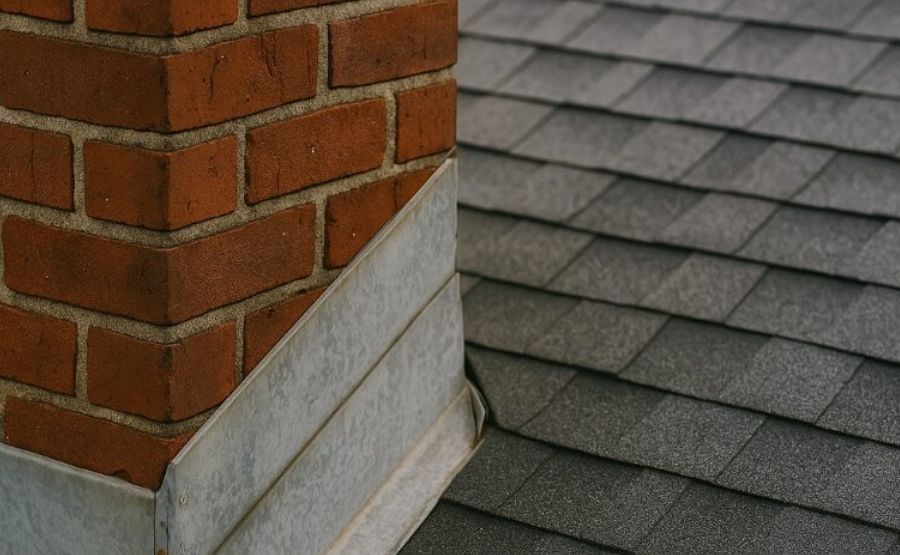
Even with a well-built saddle, the connection points are incredibly vulnerable. You have different materials meeting at sharp angles: wooden roof structures, metal flashing, and masonry brick. These materials all expand and contract at different rates when the temperature changes. The flashing is the metal skin that should tuck under the shingles and into the mortar joints of the chimney. If the installer rushed the job or used cheap sealant instead of proper counter-flashing, the seal will eventually crack. Once that happens, gravity pulls every drop of rain directly into the gap between the brick and the roof frame.
The Hidden Danger of Debris Buildup
One of the most common reasons chimney saddles fail has nothing to do with the construction and everything to do with maintenance. Because the saddle creates two small valleys on either side of the chimney, it acts like a trap for leaves, pine needles, and twigs. When this organic matter sits in those valleys, it creates a “sponge effect.” This wet pile of mulch holds moisture against the roof surface for days or weeks after the rain stops. This constant dampness rots the shingles and creates a perfect environment for mold and moss to grow, which eventually lifts the shingles and lets water inside.
Why Masonry Absorbency Matters
People often think of brick as being waterproof, but it is actually quite porous. When water pools behind a chimney because of a faulty saddle, the brick and mortar soak up that moisture like a literal sponge. This is known as capillary action. The water can travel through the brick and come out on the inside of your home, bypassing the flashing entirely. You might see staining on the drywall near the fireplace or even hear water dripping onto the firebox. If you see white powdery stains on your exterior brick, that is a sign that water is saturated in the masonry and moving through it.
Final Word
Keeping your home dry starts with paying attention to the most complex joints on your roof. A chimney saddle is a small feature that plays a massive role in your home’s defense system. If you haven’t had eyes on your roof lately, scheduling a roof repair layton inspector to come over is the smartest way to catch a failing saddle before it ruins your attic. Taking care of these small metal and shingle details today will save you thousands of dollars in interior repairs down the road. Stay proactive with your maintenance, and your chimney will remain a cozy feature rather than a source of stress.




Post Comment