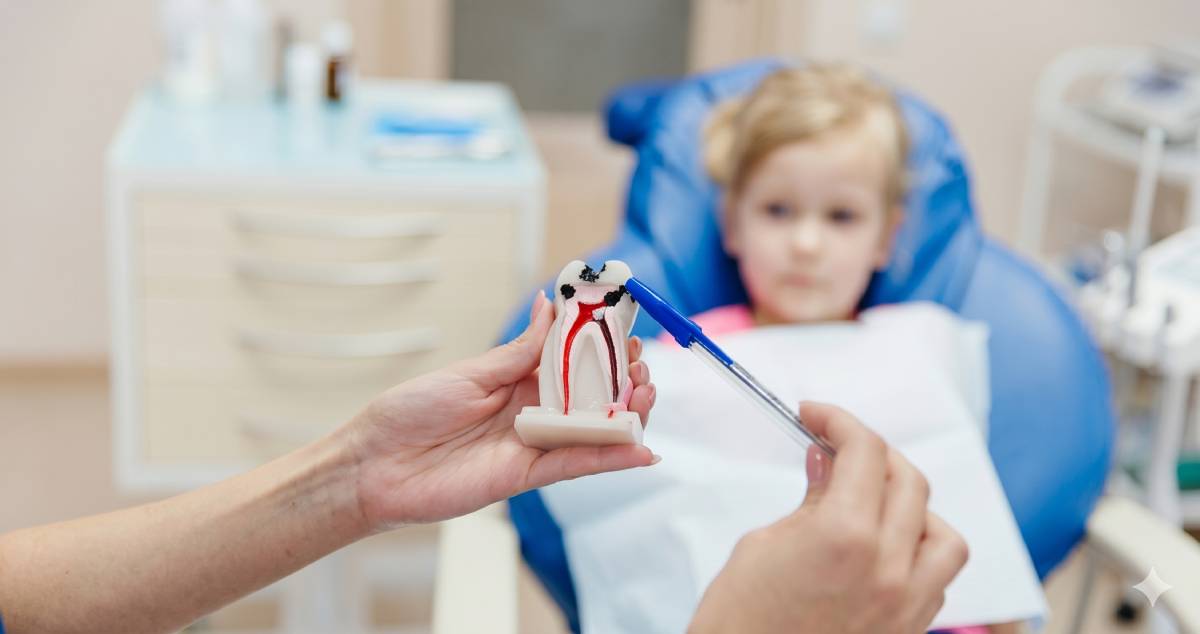
5 Questions To Ask When A Child Develops Cavities Despite Good Brushing
You help your child brush, you buy the kid toothpaste, you try to limit junk, and then the dentist says there are cavities. That can feel frustrating fast. A lot of parents land in the same place, wondering if they missed something obvious or if their child’s teeth are somehow more prone to trouble. A kids dentist in Santa Ana can help explain why this happens and what to do next.
The short version is this: good brushing matters, but it is only one part of cavity prevention. Diet, tooth shape, saliva, bedtime habits, fluoride exposure, and even breathing patterns can all affect decay risk. If your child has cavities even with good brushing, the right next step is not guilt. It is asking better questions and getting a clearer picture of what is really driving the problem.
Cavities despite good brushing usually point to causes beyond the toothbrush
Tooth decay happens when bacteria in the mouth feed on sugars and starches, then produce acids that wear down enamel over time. The tooth decay process is not always visible early, and it does not always line up with how “clean” teeth look after brushing. A child can have shiny teeth and still have risk building in the grooves of molars or between teeth.
This is why one of the first things to ask is, “Are we dealing with brushing limits or hidden cavity risk?” If your child brushes well but never flosses, decay may be starting where the brush cannot reach. If they sip juice through the day, chew crackers often, or drink milk before bed, the teeth may be getting repeated acid attacks even though brushing happens twice a day.
Another useful question is, “Does my child’s enamel need more protection?” Some children need more fluoride support than others. The CDC’s oral health tips for children explain how fluoride helps strengthen enamel and lower cavity risk. If your child is using too little fluoride toothpaste, rinsing right after brushing, or not getting enough fluoride from other sources, brushing may not be doing enough heavy lifting on its own.
The five questions that help explain why a child gets cavities anyway
1. Is my child snacking or sipping often between meals?
Frequency matters as much as quantity. A child who has a few cookies at once and then drinks water may have less risk than a child who grazes on crackers, fruit snacks, or juice boxes all afternoon. Every exposure feeds bacteria again.
2. Are the cavities forming between teeth or in deep grooves?
This helps identify whether flossing or sealants may be the missing piece. Molars often have pits that trap food and bacteria even in children who brush carefully.
3. Is bedtime creating extra risk?
Milk, juice, a bedtime snack, or even brushing before a final drink can keep sugars on teeth for hours. Saliva drops during sleep, so the mouth has less natural protection at night.
4. Does my child have dry mouth, mouth breathing, or medications that affect saliva?
Saliva helps wash away food and neutralize acids. A child who breathes through the mouth, has chronic congestion, or takes certain medicines may have less of that protection.
5. Would preventive treatment from a pediatric dentist make a difference?
Sometimes the issue is less about effort and more about anatomy and risk level. A pediatric dentist can look at bite patterns, enamel strength, spacing, sealant needs, and fluoride options in a way that changes the prevention plan.
Daily habits and professional prevention work best together
Parents often get stuck in an all or nothing mindset. If brushing is good, cavities should not happen. Real life is messier than that. One child can skip flossing for months and never get a cavity. Another can brush faithfully and still develop decay because their molars are deep, their snacks are sticky, or their enamel is weaker.
That is where prevention gets more precise. Dental sealants can protect the chewing surfaces of back teeth by covering the grooves where decay often starts. The CDC explains the value of dental sealants for children, especially for cavity prone molars. For many families, sealants are the point where constant worry starts easing because the protection matches the child’s actual risk.
| Possible Cause | What You May Notice | What Often Helps |
|---|---|---|
| Frequent snacks or drinks | Cavities keep returning even with regular brushing | Limit grazing, offer water between meals, group treats with meals |
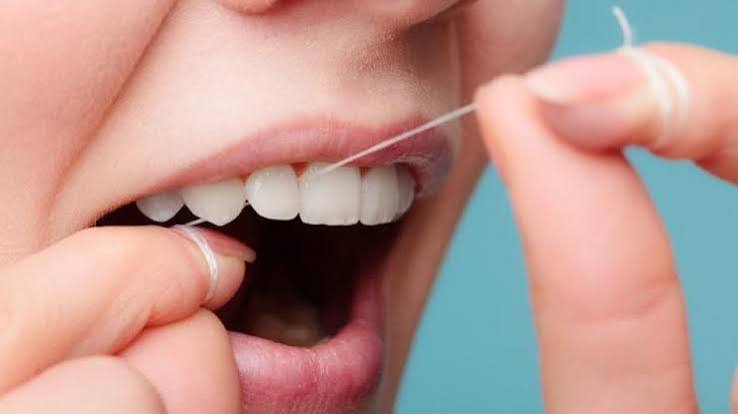
| Decay between teeth | Brush looks good, cavities still show on X rays | Daily flossing with help from a parent |
| Deep molar grooves | Cavities on chewing surfaces soon after molars erupt | Sealants and closer monitoring |
| Low fluoride exposure | Weak enamel or repeated early decay | Fluoride toothpaste, in office fluoride treatment if advised |
| Bedtime habits or dry mouth | Decay seems worse despite daytime routine | No food or sweet drinks after brushing, address mouth breathing |
Small changes can lower the chance of more cavities
Track the pattern for one week.
Write down what your child eats and drinks between meals, when brushing happens, and whether flossing actually gets done. Most parents notice the problem quickly once it is on paper. It is often the “just a few sips” or “just a small snack” moments that add up.
Make the nighttime routine stricter.
Brush with fluoride toothpaste right before bed, then stick to water only. If your child resists flossing, do it for them until they have the hand skills to do it well. Many children need help much longer than parents expect.
Ask for a risk based prevention plan.
Do not settle for “brush better” if you are already doing the work. Ask whether the cavities suggest a need for X rays, fluoride varnish, sealants, diet changes, or follow ups on a shorter schedule. cavities in children despite brushing usually make more sense once the risk factors are spelled out clearly.
The right questions lead to better answers and less guilt
If your child has decay after you have been trying hard, that does not mean you failed. It usually means the prevention plan was too general for your child’s needs. why kids get cavities even when they brush is a common concern, and the answer is often a mix of habits, tooth anatomy, and protection that needs to be adjusted.
A pediatric dentist can help you sort out what is actually happening and what changes are most likely to help next. Once the cause is clearer, the path forward usually feels much less overwhelming.


Post Comment