AI Game Maker for Kids: How Young Creators Are Making Real Games
Ask almost any child who loves video games what they would build if they could, and you will get a detailed, specific, imaginative answer. The idea the setting, the characters, the rules is never the problem. The problem has always been the gap between that idea and the technical knowledge needed to act on it.
That gap is closing. The tools available today, particularly AI game maker platforms built around natural language, have made it genuinely possible for a child to describe their dream game and hold a playable version of it within the same afternoon. That is a significant change, and it matters beyond the games themselves.
The Age Question: When Are Children Ready to Create?
The honest answer is: younger than most people assume. Children as young as seven or eight can engage meaningfully with a natural language game creation process if they have an adult to help them read and navigate the interface. By ten or eleven, many children can work through the process with minimal assistance. The critical factor is not age it is whether the child has a clear idea they want to express and the motivation to see it through.
The design process itself is educational at any age. Thinking about what makes a game fun, what the rules should be, and how the player should feel is applied design thinking that develops skills far broader than game creation.
A Parent’s Guide to Getting Kids Started on Combos
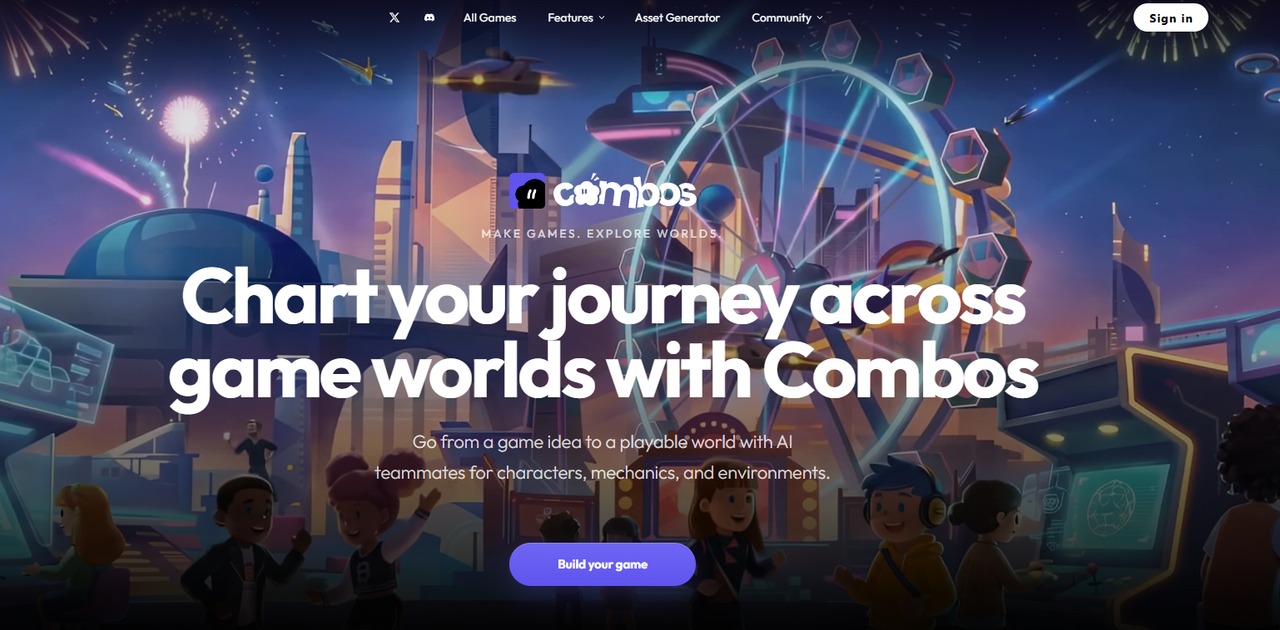
Here is how a parent can guide a child through building their first game on Combos no technical background required.
Step 1 Describe the Dream Game: Open combos.fun together, and let the child describe their dream game to Boo in their own words. Do not correct or filter the messier and more imaginative, the better.
Step 2 — Review Together: Help them review the Game Design Document ask “Does this match what you imagined?” Work through any differences together before committing to the build.
Step 3 — Choose the Details: Watch Combos build the game while the child picks colours, character names, and themes. This stage feels like magic to most young creators.
Step 4 — Play and Improve: Let them play their own game first, then use the editor to fix anything they do not like. This iterative process teaches children that making things is an ongoing conversation.
What Children Build When You Give Them the Tools
The variety of games children create when given real tools is striking. Some build games that closely mirror games they already love platformers with their favourite characters, puzzle games that resemble ones they play on a tablet. Others use the tools to explore something completely personal a game about their school, their friends, or an imaginary world they have been building in their head for years.
Both responses are valuable. The child who recreates a familiar game is learning how games are structured. The child who builds something personal is developing a creative voice and learning that their ideas have value.
From Playing to Making: A Shift That Changes How Kids Think
There is a meaningful cognitive shift that happens when a child moves from playing games to making them. They start noticing how games work why a level is designed a certain way, why an enemy has specific behaviours, why a reward is placed where it is. This is design thinking, and it is transferable to a wide range of contexts beyond games.
Children who make games also develop a different relationship with difficulty. When you have built something and found it hard to get right, you approach other people’s creative work with more respect and more curiosity about the decisions behind it.
Sharing a Game You Made When You’re Eight Years Old
The moment a young creator shares their game with another person and watches them play it is genuinely formative. The game does not have to be sophisticated. It does not have to be polished. It just has to be real something that exists and can be played. That experience of authorship, of having made something that other people can experience, plants a creative confidence that tends to persist.
Combos‘ shareable link makes this moment as frictionless as possible. A child can send the link to grandparents, friends, or classmates and have them playing within seconds. That immediate audience changes the experience of creation entirely.
Conclusion
The AI game maker has made game creation genuinely accessible to children not as a simplified or patronising version of the real thing, but as an actual creative process with real outcomes. Children who build games develop design thinking, creative confidence, and a productive relationship with making things. Combos is a real tool that produces real games. Letting a child use it is giving them something more than an afternoon activity.




Post Comment