How to Rewrite AI Text for Better Engagement
AI-generated content has become a standard part of modern content creation. From blog posts and emails to product descriptions and marketing copy, AI tools help produce content quickly and efficiently. However, while AI can generate text at scale, it often lacks the nuance and engagement required to connect with real audiences.
Raw AI content may appear accurate but can feel overly structured, repetitive, or lacking personality. This is where rewriting becomes essential. By refining AI-generated text, you can improve readability, create a natural tone, and ultimately increase engagement.
What Is AI Text Rewriting?
AI text rewriting refers to the process of modifying AI-generated content to make it more natural, engaging, and aligned with human communication styles. It goes beyond simple paraphrasing by improving tone, structure, and clarity.
Unlike basic rewriting, which focuses on replacing words, effective AI text rewriting enhances flow, adds context, and ensures the message resonates with the intended audience.
Common Problems with AI-Generated Content
Before rewriting, it is important to understand the limitations of AI-generated text.
One of the most common issues is a lack of natural tone. AI often produces sentences that sound formal or robotic, which can reduce engagement.
Another challenge is repetition. AI-generated content may reuse similar sentence structures or phrases, making the content feel monotonous.
Additionally, AI lacks emotional intelligence. It may fail to connect with readers, which is essential for effective communication. This highlights the importance of understanding how to humanize AI-generated content to create more engaging and relatable communication.
Benefits of Rewriting AI Text
Rewriting AI-generated content provides several advantages that directly impact performance and engagement.
Improved readability is one of the most significant benefits. When content flows naturally, it becomes easier for readers to understand and follow.
Rewriting also enhances audience engagement. Content that feels human and relatable is more likely to capture attention and encourage interaction.
From an SEO perspective, well-structured and engaging content performs better in search rankings, as it aligns with user experience signals.
Key Techniques to Rewrite AI Text for Better Engagement
Improve Sentence Structure
Varying sentence length and structure is essential for creating engaging content. Mixing short and long sentences helps maintain reader interest and improves readability.
Use a Natural and Professional Tone
Balancing professionalism with a conversational tone ensures clarity while maintaining engagement. Avoid overly complex language and focus on simplicity.
Add Human Perspective
Including examples, insights, or context makes content more relatable. This helps bridge the gap between AI-generated text and human communication.
Simplify Complex Language
Replacing technical jargon with clear and concise wording improves accessibility. Readers are more likely to engage with content that is easy to understand.
Enhance Emotional Connection
Incorporating subtle emotional cues and relatable language helps build trust and keeps readers engaged.
Tools That Help Rewrite AI Content
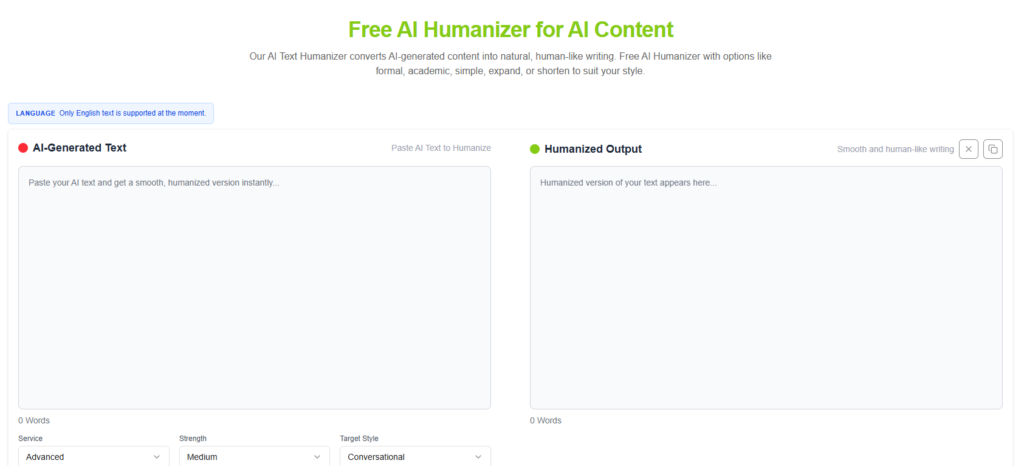
While manual editing is important, AI-powered tools such as the Smooli AI humanizer can assist in refining content efficiently. These tools help restructure sentences, adjust tone, and improve readability.
However, it is important to review and refine the output generated by these tools. Human oversight ensures that the final content maintains accuracy and authenticity.
Step-by-Step Process to Rewrite AI Text
| Step | Process | Description |
| 1 | Generate Initial Content | Start by creating the first draft using an AI tool. |
| 2 | Review the Text | Identify sentences or sections that sound unnatural, repetitive, or overly robotic. |
| 3 | Rewrite for Clarity and Flow | Revise the content to improve readability, sentence structure, and smooth transitions. |
| 4 | Adjust Tone and Structure | Refine the tone and overall structure to match your audience and content purpose. |
| 5 | Proofread the Final Version | Review the content carefully to ensure accuracy, consistency, and readability. |
Best Practices for Engaging AI Content
To achieve the best results, it is important to combine AI capabilities with human creativity.
Focus on maintaining a consistent tone throughout the content. Avoid over-editing, as it can make the text feel forced or unnatural.
Always prioritize the reader’s perspective. Content should be clear, relevant, and engaging for the target audience.
Common Mistakes to Avoid
One of the most common mistakes is relying entirely on AI-generated output without editing. This often results in content that lacks originality and engagement.
Another issue is overcomplicating the language. Using complex vocabulary unnecessarily can reduce readability.
Skipping the final review is also a frequent mistake. Even minor errors can impact the overall quality of the content.
Role of SEO in Rewritten Content
SEO plays a crucial role in the success of rewritten content. Integrating keywords naturally within the text improves visibility in search engines.
Content structure also matters. Using clear headings, short paragraphs, and logical flow enhances readability and SEO performance.
Search engines prioritize content that delivers value to users, making engagement a key factor in ranking.
The Future of AI Content Rewriting
As AI technology continues to evolve, rewriting tools such as Smooli AI will become more advanced and capable of producing human-like content.
To explore smarter and more efficient content solutions, get in touch today.
However, human input will remain essential. The combination of AI efficiency and human creativity will define the future of content creation.
Conclusion
Rewriting AI-generated text is no longer optional; it is a necessary step for creating engaging and effective content. While AI tools provide speed and scalability, human refinement ensures quality and connection.
By applying the right techniques and best practices, you can transform AI-generated text into content that resonates with your audience and delivers measurable results.
Frequently Asked Questions (FAQs)
1. What does it mean to rewrite AI text?
Rewriting AI text involves refining and improving AI-generated content to make it more natural, engaging, and aligned with human communication styles.
2. Why is rewriting AI content important?
Rewriting improves readability, enhances engagement, and ensures that content connects effectively with the target audience.
3. Is Smooli AI suitable for beginners?
Yes, Smooli AI is designed to simplify complex online tasks, making it accessible for beginners while still being useful for professionals.
4. Can AI-generated content rank on search engines?
Yes, but it must be well-structured, humanized, and optimized for SEO to perform effectively.
5. How can Smooli AI help with rewriting AI content?
Smooli AI supports content refinement by simplifying complex text and helping users improve clarity and readability during the rewriting process.
6. What are the best techniques for rewriting AI text?
Key techniques include improving sentence structure, simplifying language, adding a human perspective, and maintaining a consistent tone.
7. Are AI rewriting tools enough on their own?
No, human review is essential to ensure accuracy, context, and engagement in the final content.
8. How long should rewritten AI content be?
The length depends on the purpose, but it should be detailed enough to provide value while maintaining clarity and readability.


Post Comment