The Importance of Load Control During Residential Lifting Projects
Residential construction and renovation projects increasingly involve oversized materials, custom architectural components, and advanced building techniques. From steel support beams and prefabricated wall systems to large glass panels and rooftop equipment, many modern home projects require professional lifting operations to safely move and position heavy loads.
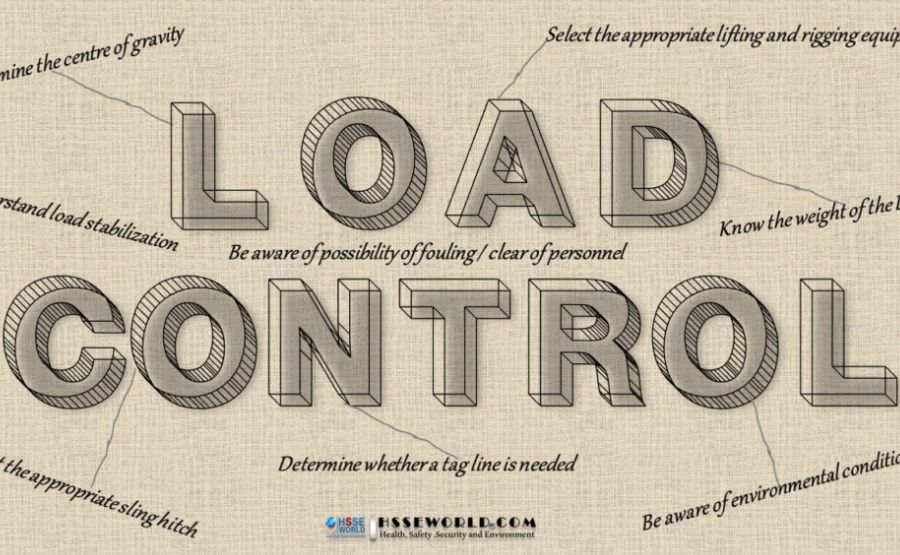
One of the most critical aspects of these lifting operations is load control. Proper load control helps ensure materials remain stable, balanced, and secure throughout every stage of the lift. Without effective load control, even routine residential lifting projects can create safety hazards, material damage, project delays, and costly repairs.
As modern homes become larger and more architecturally complex, the importance of proper rigging practices and controlled lifting methods continues to increase.
What Is Load Control?
Load control is the safe management of the movement, balance, and positioning of suspended loads during lifting operations. In residential construction, this can include lifting roof trusses and structural steel, as well as positioning stone countertops, HVAC systems, or prefabricated assemblies.
Maintaining load control requires careful planning, appropriate rigging equipment, experienced operators, and continuous monitoring throughout the lift. The goal is to minimize unwanted movement, such as swinging, shifting, tilting, or sudden drops, that could endanger workers or damage materials.
Even lightweight residential components can become dangerous if they are improperly rigged or lifted without adequate stabilization.
Residential Projects Often Present Unique Challenges
Unlike large industrial construction sites, residential projects often involve limited working space, nearby structures, landscaping, power lines, and restricted access points. These conditions make load control even more important.
For example, installing a large steel beam in a partially completed home may require lifting it through narrow openings without contacting framing, windows, or finished surfaces. Similarly, lifting oversized roof trusses over neighboring homes or mature landscaping requires precise movement and careful coordination.
Modern home designs also frequently incorporate fragile or expensive materials, such as glass walls, natural stone, and custom-fabricated architectural components. Proper load control helps prevent costly damage during installation.
Rigging Hooks Play a Major Role in Load Stability
Rigging hooks are among the most important components used in residential lifting operations. These hooks serve as critical connection points between lifting equipment and the load.
Depending on the project, contractors may use sling, grab, self-locking, or swivel hooks to accommodate different lifting configurations. Self-locking hooks are particularly valuable because they help reduce the risk of accidental disengagement during lifting operations.
Swivel hooks allow loads to rotate more naturally during positioning, helping reduce twisting forces on slings and rigging assemblies. This is especially useful when maneuvering long or awkward materials into confined residential spaces.
Proper hook selection is essential, as an improper hook configuration can cause uneven load distribution or instability during the lift.
Synthetic Slings and Spreader Bars Improve Load Control
Synthetic lifting slings are commonly used in residential lifting projects because they provide flexibility and help protect finished surfaces from scratches or impact damage. These slings are often used to lift painted steel beams, prefabricated wall panels, roofing materials, or glass assemblies.
Spreader bars are another valuable tool that improves load control. These devices distribute lifting forces more evenly across the load and help prevent bending or compression damage.
For example, when lifting large roof trusses or long steel beams, spreader bars help maintain proper spacing between lifting points. This reduces stress on the material and improves balance and overall load stability.
Without spreader bars, certain loads may flex excessively or be difficult to control during lifting operations.
Tag Lines Help Control Suspended Loads
Tag lines are simple yet highly effective tools used to stabilize suspended loads during crane operations. These ropes allow ground personnel to guide and control load movement while maintaining a safe distance from the suspended material.
Wind conditions can significantly affect residential lifting operations, especially when handling large roof sections, wall panels, or oversized glass installations. Tag lines help reduce unwanted rotation and swinging, which could otherwise put workers or nearby structures at risk.
In residential neighborhoods, where space is often limited, maintaining precise control of suspended loads is especially important.
Chain Hoists and Lever Hoists Provide Precise Positioning
Some residential lifting projects require extremely precise positioning rather than large-scale crane lifts. Chain hoists and lever hoists allow contractors to make fine adjustments when aligning structural components or positioning heavy materials inside finished spaces.
These tools are commonly used during beam installation, staircase placement, or structural renovations, where precision is critical. Their controlled lifting and pulling capabilities help crews maintain steady load movement without sudden shifts.
This level of precision is often necessary when installing custom architectural elements that must meet tight tolerances.
Proper Planning Is Essential for Safe Lifting
Effective load control begins long before the lift occurs. Professional rigging crews carefully evaluate several factors before lifting operations begin, including:
- Load weight and center of gravity
- Sling angles and connection points
- Environmental conditions
- Lift path clearance
- Equipment capacity
- Ground stability
- Potential obstructions
Load monitoring systems may also be used on larger residential projects to help operators verify safe lifting conditions throughout the operation.
By identifying potential risks in advance, contractors can reduce the likelihood of instability or unexpected movement during the lift.
Load Control Supports Safer Residential Construction
Modern residential construction relies heavily on lifting equipment and professional rigging techniques. As homes continue to incorporate larger and more complex architectural features, proper load control is even more critical to maintaining safety and efficiency.
Rigging hooks, synthetic slings, spreader bars, tag lines, chain hoists, and other lifting tools work together to help crews move heavy materials with greater stability and precision. These systems not only improve jobsite safety but also help protect valuable construction materials and reduce costly delays.
In today’s residential construction industry, proper load control is not merely a best practice. It is a critical part of safely, efficiently, and successfully completing lifting operations.




Post Comment