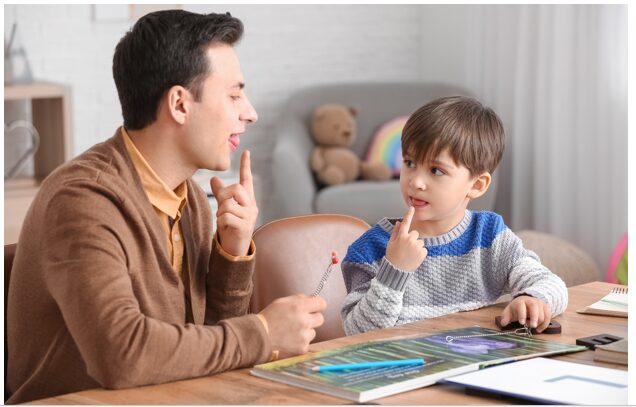
Early Signs Your Child May Need Speech Therapy
Every child develops communication skills at their own pace, but speech and language development usually follows predictable milestones. Some children start speaking early, while others may take a little longer. However, when speech, language, or communication delays begin affecting a child’s ability to express needs, interact socially, or understand instructions, professional evaluation may be helpful.
Speech and language challenges can affect academic learning, social development, emotional expression, and confidence. Recognizing early warning signs allows parents to seek support at the right time and improve long-term developmental outcomes.
Understanding when a child may benefit from speech therapy is an important step in supporting healthy communication development.
Understanding Speech and Language Development
Speech and language development begins early in life. Even before speaking, babies communicate through eye contact, facial expressions, crying, and sounds.
Difference Between Speech and Language
Although commonly used together, speech and language are different.
Speech Refers To
- Producing sounds
- Pronouncing words clearly
- Controlling mouth and tongue movements
Language Refers To
- Understanding words
- Following instructions
- Expressing thoughts
- Building vocabulary
- Using grammar and sentence structure
A child may have difficulty with speech, language, or both.
Normal Communication Milestones
Understanding age-appropriate milestones helps parents identify possible delays.
By 6 to 12 Months
Most babies begin:
- Babbling sounds like “ba” or “ma”
- Responding to their name
- Making eye contact
- Using gestures like pointing
By 12 to 18 Months
Many toddlers begin:
- Saying simple words
- Understanding familiar instructions
- Using gestures to communicate needs
By 2 Years
Most children begin:
- Combining two words
- Naming familiar objects
- Following simple directions
By 3 Years
Children usually begin:
- Speaking in short sentences
- Asking simple questions
- Being understood by familiar people
Delays in these milestones may require further evaluation.
Early Signs Your Child May Need Speech Therapy
Some communication delays become noticeable during infancy or toddler years. Common signs that indicate that the child may need speech therapy include:
1. Limited Babbling or Vocal Sounds
Babbling is an important early communication skill.
If a baby does not make sounds, imitate noises, or vocalize regularly, it may indicate delayed communication development.
2. Lack of Response to Sounds or Name
Children usually respond to voices, sounds, and their name during infancy.
If your child consistently does not respond, hearing or communication evaluation may be necessary.
3. Delayed First Words
Most children begin saying simple words around their first year.
If words are significantly delayed, speech evaluation may help identify underlying causes.
4. Difficulty Understanding Simple Instructions
Children gradually learn to understand spoken language.
Difficulty following simple commands such as:
- Come here
- Give me the toy
- Sit down
may indicate language comprehension challenges.
5. Limited Vocabulary for Age
If a child is not learning new words or using fewer words than expected for their age, language support may be beneficial.
6. Difficulty Combining Words
By around age two, many children start combining words.
Examples include:
- Want water
- Mommy come
- More juice
If this skill is delayed, further assessment may help.
7. Unclear Speech
Some speech sound errors are normal in young children, but persistent unclear speech may affect communication.
If family members struggle to understand the child regularly, speech support may be helpful.
8. Frustration While Communicating
Children who struggle to express themselves may show frustration, tantrums, or withdrawal during communication.
Communication challenges can affect emotional development as well.
In Vijayawada, many parents noticing delayed speech milestones or unclear communication commonly seek guidance from the best speech therapist in Vijayawada to better understand their child’s communication needs and developmental progress.
Causes of Speech and Language Delays
Speech delays may happen for different reasons.
Common Causes Include
These may include:
- Hearing difficulties
- Developmental delays
- Autism spectrum disorder
- Oral muscle weakness
- Neurological conditions
- Premature birth
- Limited social interaction
Identifying the cause helps guide appropriate therapy.
How Speech Therapy Helps Children
Speech therapy supports communication development through structured and child-friendly activities.
Goals of Speech Therapy
Therapy may help children:
- Improve speech clarity
- Build vocabulary
- Understand language better
- Improve sentence formation
- Develop social communication skills
Treatment is personalized based on the child’s age and developmental needs.
What Happens During a Speech Evaluation?
Speech therapists begin with a detailed developmental assessment.
Areas Commonly Evaluated
The therapist may assess:
- Speech sound production
- Understanding of language
- Vocabulary skills
- Social interaction
- Oral motor function
This evaluation helps identify strengths and areas needing support.
Home Activities That Support Communication
Parents play an important role in speech development.
Helpful Activities at Home
Parents can encourage communication by:
- Talking regularly with the child
- Reading picture books together
- Naming objects during play
- Encouraging imitation of sounds
- Limiting passive screen time
Daily interaction supports language learning.
When Should Parents Seek Professional Help?
Early intervention usually leads to better outcomes.
Signs That Need Professional Evaluation
Parents should seek guidance if:
- The child is not babbling by 12 months
- First words are delayed
- Speech is unclear for age
- The child avoids communication
- Social interaction is limited
Early assessment helps identify needs before academic or social difficulties increase.
Benefits of Early Speech Therapy
Starting therapy early can significantly improve communication skills.
Long-Term Benefits
Early therapy may help:
- Improve school readiness
- Build confidence
- Strengthen social skills
- Reduce frustration
- Support emotional development
The earlier support begins, the better the developmental outcomes in many cases.
Frequently Asked Questions
At what age should a child start talking?
Many children say their first words around 12 months, though development may vary.
Is late talking always a sign of a problem?
Not always, but persistent delays should be evaluated by a professional.
Can speech delays improve without therapy?
Some children catch up naturally, but early evaluation helps identify who may benefit from support.
How long does speech therapy take?
The duration depends on the child’s condition, developmental needs, and consistency of therapy.
Can parents support speech development at home?
Yes, reading, talking, playing, and encouraging interaction all support communication growth.
Conclusion
Speech and language development plays a major role in a child’s learning, confidence, and social interaction. While every child develops differently, delays in speech, language understanding, or communication should not be ignored.
Recognizing early warning signs and seeking timely professional evaluation can make a meaningful difference. With early intervention, supportive home activities, and structured speech therapy when needed, many children can develop stronger communication skills and reach their full developmental potential.



Post Comment