Signs You May Need Cataract Surgery Earlier Than You Think
Cataracts are one of the most common eye conditions affecting adults, especially as they age. They develop when the natural lens of the eye becomes cloudy, leading to blurred vision, glare sensitivity, and difficulty performing daily tasks. While cataracts often progress slowly, some people may need treatment earlier than expected due to rapid vision changes or lifestyle demands.
Many individuals assume cataract surgery is only necessary in advanced stages. However, delaying treatment when symptoms begin affecting quality of life can interfere with driving, reading, work performance, and overall independence.
Recognizing the early signs that cataract surgery may be needed can help protect vision and improve daily functioning.
What Are Cataracts?
A cataract occurs when proteins inside the natural lens of the eye begin to break down and clump together. This causes the lens to become cloudy, reducing the amount of light that reaches the retina.
How Cataracts Affect Vision
As cataracts develop, they may cause:
- Blurry or cloudy vision
- Increased glare from lights
- Difficulty seeing at night
- Colors appearing faded or yellowish
- Frequent changes in eyeglass prescription
Cataracts can affect one or both eyes and may progress at different speeds.
Why Cataracts Sometimes Need Early Treatment
Not every cataract requires immediate surgery. However, some cataracts progress faster due to certain health conditions, lifestyle factors, or eye injuries.
Factors That May Accelerate Cataracts
Several factors can increase cataract progression:
- Aging
- Diabetes
- Smoking
- Long-term steroid use
- Previous eye injuries
- Excessive sun exposure
When vision changes begin interfering with normal activities, surgery may be recommended sooner.
Early Signs You May Need Cataract Surgery
Recognizing early warning signs can help prevent vision-related complications.
1. Blurry Vision That Does Not Improve With Glasses
One of the earliest signs of cataracts is blurred vision that does not improve even after updating eyeglasses or contact lenses.
If vision remains unclear despite prescription changes, cataracts may be affecting the lens.
2. Difficulty Driving at Night
Many people notice cataract symptoms while driving in low-light conditions.
3. Common Night Vision Problems
These may include:
- Glare from headlights
- Halos around lights
- Reduced contrast sensitivity
- Difficulty seeing road signs
Night driving difficulties can affect safety and confidence.
4. Increased Sensitivity to Bright Light
Cataracts can make the eyes more sensitive to sunlight, indoor lighting, or screen brightness.
This sensitivity may cause discomfort during everyday activities.
5. Colors Look Dull or Yellow
As cataracts develop, the lens may filter light differently, causing colors to appear less vibrant.
Patients may notice:
- Whites appearing yellow
- Difficulty distinguishing similar shades
- Reduced brightness in surroundings
This can affect reading, work, and overall visual clarity.
6. Frequent Prescription Changes
If your eyeglass prescription keeps changing within a short period, cataracts may be affecting lens clarity.
Frequent changes usually indicate that vision is becoming unstable.
7. Double Vision in One Eye
Some cataracts may cause double vision or shadowed images in one eye.
This symptom should always be evaluated by an eye specialist.
8. Difficulty Reading or Using Digital Screens
If reading books, newspapers, or digital screens becomes increasingly difficult despite corrective lenses, cataracts may be progressing.
In Baddi, many individuals experiencing reduced visual clarity or glare-related discomfort commonly look for a trusted center offering the best cataract surgery in Baddi when symptoms begin affecting daily independence and routine activities.
When Cataracts Begin Affecting Daily Life
Cataract surgery is usually recommended when vision changes interfere with normal activities.
Daily Activities That May Become Difficult
- Reading or writing
- Driving, especially at night
- Watching television
- Working on computers
- Recognizing faces clearly
When vision impacts safety or productivity, treatment may become necessary.
How Eye Specialists Decide If Surgery Is Needed
Eye specialists evaluate several factors before recommending surgery.
Common Evaluation Methods
Doctors may perform:
- Visual acuity testing
- Slit-lamp examination
- Retinal examination
- Contrast sensitivity testing
These tests help determine how much cataracts are affecting vision.
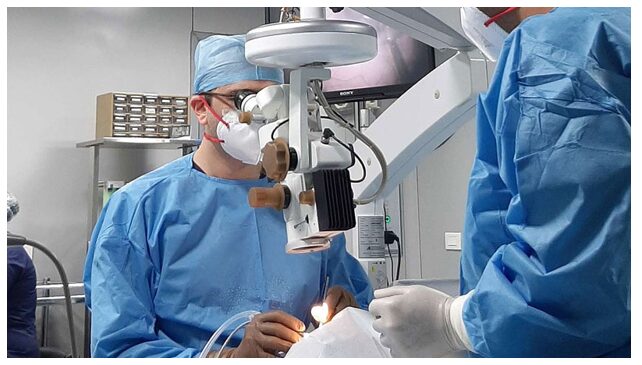
What Happens During Cataract Surgery?
Cataract surgery is one of the most commonly performed eye procedures worldwide.
The Procedure
During surgery:
- The cloudy natural lens is removed
- An artificial intraocular lens (IOL) is inserted
- Vision gradually improves during recovery
The procedure is usually performed under local anesthesia and usually completed within a short time.
Recovery After Cataract Surgery
Recovery is generally smooth for most patients.
What to Expect During Recovery
Patients may experience:
- Mild irritation or sensitivity
- Gradual improvement in vision
- Need for prescribed eye drops
- Follow-up appointments
Most people return to normal activities within a few days to weeks, depending on healing.
Can Cataracts Be Prevented?
Cataracts cannot always be prevented, but certain habits may help reduce risk.
Eye Health Tips
- Wear UV-protective sunglasses
- Manage diabetes carefully
- Avoid smoking
- Eat antioxidant-rich foods
- Schedule regular eye exams
These habits support long-term eye health.
When Should You See an Eye Specialist?
Early evaluation is important if you notice changes in vision.
Warning Signs That Need Attention
Seek professional evaluation if you experience:
- Blurry vision that worsens
- Difficulty driving at night
- Increased glare sensitivity
- Frequent changes in prescription
- Reduced ability to perform daily tasks
Early diagnosis helps determine the best treatment timing.
Frequently Asked Questions
At what stage should cataracts be removed?
Cataracts are usually removed when vision problems begin affecting daily activities or safety.
Can cataracts worsen quickly?
Yes, in some individuals, cataracts may progress faster due to diabetes, medications, or other health conditions.
Is cataract surgery painful?
Cataract surgery is usually not painful because it is performed with local anesthesia.
How long does cataract surgery take?
The procedure usually takes less than an hour, though total clinic time may be longer.
Can cataracts come back after surgery?
The cataract itself does not return, but some patients may develop cloudiness behind the artificial lens, which can be treated.
Conclusion
Cataracts usually develop gradually, but in some people, vision changes can affect daily life sooner than expected. Blurred vision, glare sensitivity, difficulty driving at night, and frequent prescription changes may all indicate the need for earlier treatment.
Understanding these warning signs allows individuals to seek timely care and protect long-term eye health. With early diagnosis, regular monitoring, and appropriate treatment, cataract surgery can restore clarity, improve independence, and support a better quality of life.




Post Comment