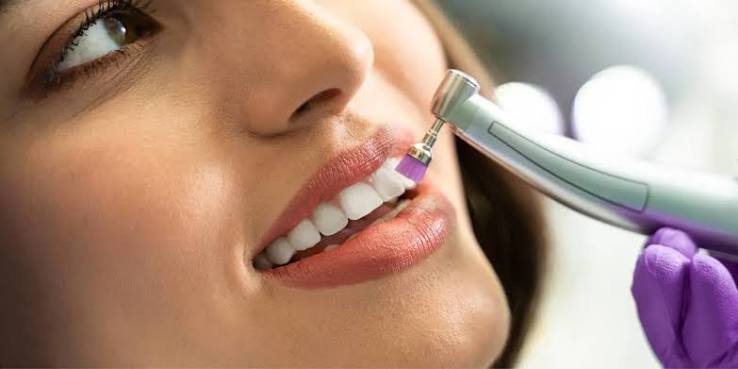
Why Some Cosmetic Dental Repairs Need Periodic Polishing
You paid for a better smile, so it can feel frustrating when a filling, bonding repair, veneer edge, or tooth colored restoration starts to look a little dull, rough, or stained months later. Nothing may be broken, and your teeth may still feel fine, yet something looks off in the mirror. That small change can be enough to make you self conscious again, especially if the repair was meant to help you feel more at ease when you talk, laugh, or take photos. If you are considering cosmetic dental services in El Centro, addressing these small changes early can help restore the look you wanted in the first place.
That is often where periodic polishing comes in. Some cosmetic dental repairs hold their shape well but still collect surface stain, lose some shine, or develop tiny rough areas from normal chewing, brushing, coffee, tea, or smoking. Polishing does not mean the work failed. In many cases, it is routine upkeep that helps the repair blend in, stay smooth, and last longer before replacement is needed.
Surface changes happen even when cosmetic dental work is still sound
Many people assume dental materials behave exactly like natural enamel forever. They do not. Composite bonding, tooth colored fillings, and some other cosmetic repairs are strong, but they are not identical to enamel in the way they reflect light or resist staining over time. A polished surface starts smooth. Daily wear slowly changes that surface, and once it becomes slightly rough, pigments from food and drinks can cling more easily.
You may notice this first at the edge of a repaired front tooth. It looked invisible at first, then one day it seems easier to spot. Sometimes the problem is not color alone. A rougher surface can catch against your lip, hold more plaque, and make the tooth feel less clean even right after brushing. According to MedlinePlus information on tooth disorders, plaque and surface changes can affect comfort, appearance, and oral health in ways that build gradually rather than all at once.
This is one reason cosmetic dental repair maintenance matters. The restoration may still be doing its job structurally, but the finish has changed. A careful polish can remove external stain, smooth the surface, and restore some of the original luster without replacing the repair.
Periodic polishing protects both appearance and comfort
A rough restoration does more than change how your smile looks. It can also create a cycle that is hard to stop on your own. Roughness attracts more stain and plaque. More plaque can irritate the gums around the tooth. If the repair sits near the gumline, that irritation can make the area look redder, which draws even more attention to the tooth. What started as a small cosmetic issue can become something you keep noticing every day.
There is also the bite to think about. If a bonded area chips slightly or develops a tiny uneven spot, you may start hitting that tooth differently without realizing it. That can wear the material faster. In a family and cosmetic dentist office, polishing is often paired with a quick check of margins, bite pressure, and surrounding gum health. The goal is not just shine. It is early maintenance before a small issue turns into a replacement.
The American Dental Association shares patient education that supports regular professional care because preventive visits help catch wear, decay, and surface problems before they grow. You can review ADA patient resources for more on why ongoing dental follow up matters.
Some cosmetic repairs need more upkeep than others
Not all materials age the same way. Porcelain veneers and crowns tend to resist staining better than composite bonding, but they can still lose surface gloss or pick up stain at the margins. Composite repairs usually need touch ups sooner because the material is more likely to absorb pigment and develop fine scratches. That does not make composite a poor choice. It often means a lower upfront cost and a more conservative repair, with the tradeoff of more maintenance.
You might have seen this yourself. A small bonded chip repair on a front tooth can look excellent after treatment, then begin to darken after months of coffee and red wine. A quick polish may improve it enough that replacement is unnecessary. That is a very different situation from a cracked or leaking restoration, where polishing alone will not solve the problem.
Home polishing and professional polishing are not the same
When a repair looks stained, it is tempting to scrub harder or try a whitening toothpaste, charcoal product, or online polishing kit. That can make the surface worse. Abrasive products may scratch the repair, remove gloss, or create a mismatch between the restoration and the surrounding enamel. Whitening products can also lighten natural teeth without changing the repair, which makes the repair stand out more.
| Approach | What It Can Do | Main Limits | Best Use |
|---|---|---|---|
| Whitening toothpaste at home | Removes some surface stain from natural enamel | Can be too abrasive for bonding or polished resin surfaces | Daily care for natural teeth, only if your dentist approves |
| DIY polishing kits | May create short term shine | Risk of scratching, flattening contours, and irritating gums | Usually best avoided on cosmetic repairs |
| Professional polishing | Removes stain, smooths roughness, checks margins and bite | May not fix cracks, leakage, or deep discoloration | Routine upkeep for many dental restoration polishing needs |
| Repair replacement | Restores color, shape, and function when damage is present | Higher cost and more treatment time | When polishing cannot correct the problem |
Small maintenance visits can prevent larger cosmetic dental treatment
There is a financial side to this that many people feel but do not say out loud. You already invested in your smile. The thought of paying again for the same tooth can be discouraging. Periodic polishing is often one of the simplest ways to protect that investment. It can extend the life of a repair by keeping surfaces smooth and helping your dentist catch edge wear, staining, or minor chips early.
This is also why regular checkups matter even when nothing hurts. Cosmetic work does not always fail with pain. It often changes slowly, through stain, dullness, texture, and tiny shape shifts. A family and cosmetic dentist can tell the difference between normal surface wear that needs polishing and a deeper issue that needs repair or replacement.
Three practical steps you can take now
1. Pay attention to texture, not just color. If a repaired tooth feels rough, catches floss, or seems to grab your lip, mention it. Those small changes often show up before major staining or visible damage.
2. Bring up your habits honestly. Coffee, tea, red wine, smoking, teeth grinding, and aggressive brushing all affect cosmetic repairs. Sharing that helps your dentist recommend the right polishing schedule and home care products.
3. Ask whether the repair needs polishing or replacement. They are not the same. If the material is still sound, polishing may be enough. If there is a crack, open margin, or decay underneath, replacing it may save you trouble later.
A smile repair does not have to stay perfect forever to still be successful. Many cosmetic dental restorations need occasional upkeep, and periodic polishing is often part of that normal cycle. If a repaired tooth has lost its shine, picked up stain, or feels rough, schedule a visit with a family and cosmetic dentist and have it checked before the issue gets bigger.



Post Comment