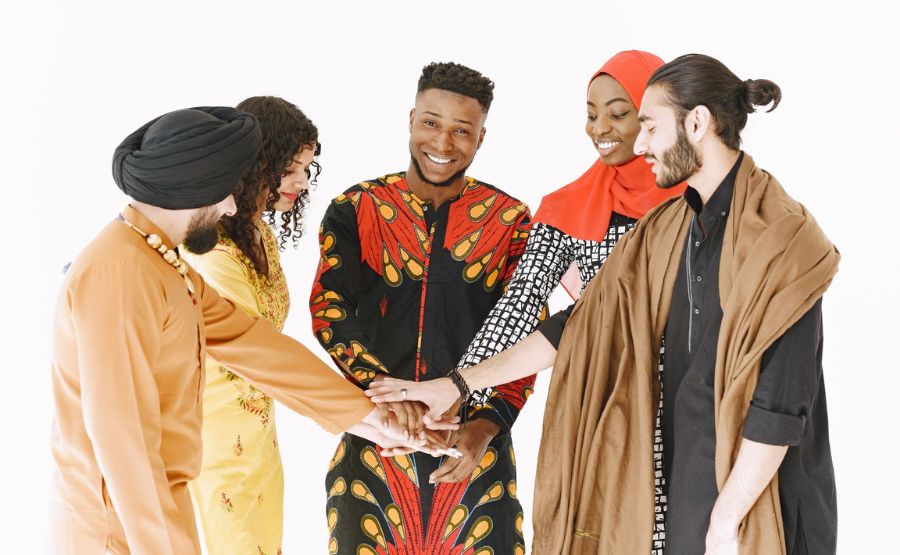
The Connection Between Culture, Tradition and Community
Culture sounds like one of those words that should have a complicated definition. But really, it’s everywhere. It’s what people eat at home. How they greet relatives. The language they speak with their parents. The way a family celebrates something. The stories older people keep telling, even when everyone has heard them ten times already. That is culture too. Tradition is tied into all of this. And community is usually where people actually experience it. Not in a textbook. In real life.
Culture Is Not Just About Festivals
When culture comes up, the first things people usually think about are food, clothes, music, festivals and maybe traditional art. Fair enough. But there’s much more to it. Culture can affect how people treat guests, how families stay close, what children are taught, what people consider respectful, and even how they communicate with each other.
A lot of it happens without anyone really thinking about it. For example, a child might grow up seeing their family prepare a particular meal every year. They might not know the history behind it at first. They just know, “This is what the family does.” Years later, they may be doing exactly the same thing. That’s how culture keeps moving.
It’s also not something that stays completely unchanged. People move to new countries. Families mix different backgrounds. Younger generations pick up new habits. Social media brings people into contact with cultures they may never have experienced otherwise. So naturally, culture changes too.
Traditions Keep Things Going
Tradition is probably the easiest part to notice. It’s the stuff people repeat. A family recipe. A yearly gathering. A religious occasion. A particular way of welcoming guests. A craft taught by a grandparent. Sometimes it’s something big. Sometimes it’s almost ridiculously small. But small does not mean meaningless.
A recipe can remind someone of a person who’s no longer around. A familiar celebration can make someone feel at home when they are living somewhere completely different. Even an old family saying can survive for decades just because everyone keeps using it.
UNESCO includes rituals, celebrations, traditional knowledge and social practices as part of intangible cultural heritage. These are things communities continue to pass between generations. And traditions do not have to be copied perfectly. Actually, they rarely are. Someone changes the recipe. Someone celebrates it differently. Someone adds something new. That is normal.
Community Is Where It All Happens
Culture and tradition are not much use if they only exist as ideas. People have to actually live them. That’s where community comes in. It could be a family sitting together for dinner. Neighbours organising an event. Friends meeting during a celebration. People gathering at a place of worship. There’s something about doing these things together that makes them stick.
Take cooking. Maybe an older relative knows how to make a traditional dish but has never written the recipe down. They just know when the food looks right. A younger family member watches. They ask questions. They try it themselves. Maybe the next time, they change something? That’s still knowledge being passed on.
The same thing happens with music, crafts, celebrations, language and religious practices. Community gives those traditions somewhere to live.
Religious Traditions Can Create Stronger Connections
Religion is a major part of cultural life for many communities. Religious occasions can bring people together, but it’s usually not only about the occasion itself. People visit relatives. They share meals. They give to others. They spend time reflecting. They meet people they may not have seen for months.
For Muslim communities, rabi al awwal is an important month in the Islamic calendar. The way it’s observed can vary between families and communities, but it can be a time connected with remembrance, reflection and community.
That’s where the cultural and social side of religious traditions becomes noticeable. People are not just following a calendar. They’re spending time with other people. And sometimes that’s the part that stays with them.
A Lot of Cultural Learning Happens at Home
Children do not always learn culture through formal teaching. Most of the time, they are simply watching. They see how their parents treat guests. They hear grandparents talking about the past. They learn which foods belong to certain occasions. They notice how relatives behave around older family members.
Nobody has to sit them down and explain every single thing. They pick it up. A child helping make a traditional dish might not care much about the cultural history behind it. They are probably more interested in eating it. But years later, they might make the same dish for their own family. That is the important part.
The knowledge has moved from one generation to another. And when families live far apart, this can become harder. Phones and video calls help, obviously. Social media helps too. But seeing something on a screen is not quite the same as being there. Learning a recipe from a video is useful. Learning it while standing in the kitchen with a parent or grandparent is different.
Why All of This Still Matters
Modern life is convenient in a lot of ways. It is also busy. People move away from their hometowns. Families do not always live in the same place anymore. Work takes up a huge part of the day. A lot of friendships and conversations now happen through phones. Being connected has become easier.
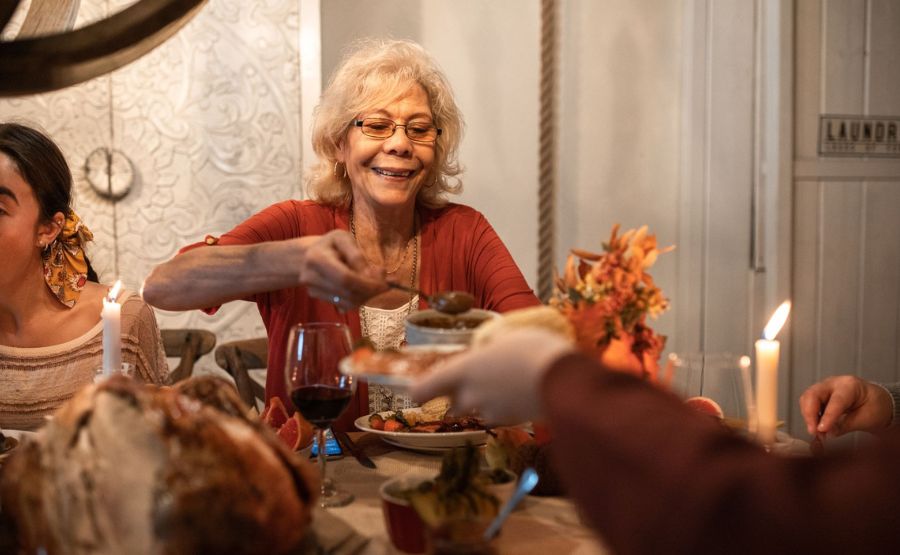
However, feeling connected is not always as easy. That is where culture, tradition and community still matter. Culture gives people a sense of where they come from. Tradition gives them something to carry forward. Community gives them people to share it with. And sometimes none of it looks particularly important from the outside. It might just be dinner with relatives. A story from a grandparent. A yearly gathering. A familiar recipe. A religious occasion. Nothing major or big. But those ordinary things are often where people feel most connected to their families, their communities and their past. That is probably why traditions survive. Not because everything about them stays unchanged, but because people keep finding a reason to continue them.




Post Comment